
Here is how to read a supplement label: find the serving size and servings per container first, then read each nutrient's amount, unit and % Daily Value against that serving. Check the ingredient form, the full ingredient list and any warnings before comparing it with another product.
The largest number on the front may describe something different from the nutrient amount in the Supplement Facts panel. This guide separates those figures and explains US label terminology without turning a manufacturer's serving into a personal recommendation.
Ready to compare the details on labels?
Choose a supplement to see ingredient forms, daily serving amounts, testing information and comparable costs.
We may earn a commission if you buy through our links. How we stay independent.
In this guide
How do you read a supplement label in order?
A supplement label describes the product's ingredients and their declared quantities, with a serving to which those quantities relate. Read the serving before the numbers. Then identify the nutrient or substance, its unit and its % Daily Value. The ingredient list and warnings provide context that a front-label headline cannot.
In the US, the nutrition information for a dietary supplement sits in a Supplement Facts panel. Under FDA labeling rules (21 CFR 101.36) the panel states the serving size and the servings per container, then lists the dietary ingredients with their amounts and, where a Daily Value exists, the % Daily Value. Read those headings: a capsule, a serving and a day are not interchangeable.
Find the serving size
Identify how many capsules, tablets, scoops or other units the figures cover. Keep that stated basis beside the nutrient amounts when making notes.
Check servings per container
The panel states servings per container. Use it with the directions on the label to see how long a pack lasts. Do not assume a capsule count is a day count.
Read the nutrient and its unit together
Match each number with its row label. An amount for the whole blend or compound is not automatically the amount of an individual nutrient.
Finish with other ingredients and warnings
Read the entire ingredient list, allergen statement and pack warnings. A short front-label description cannot replace those details.
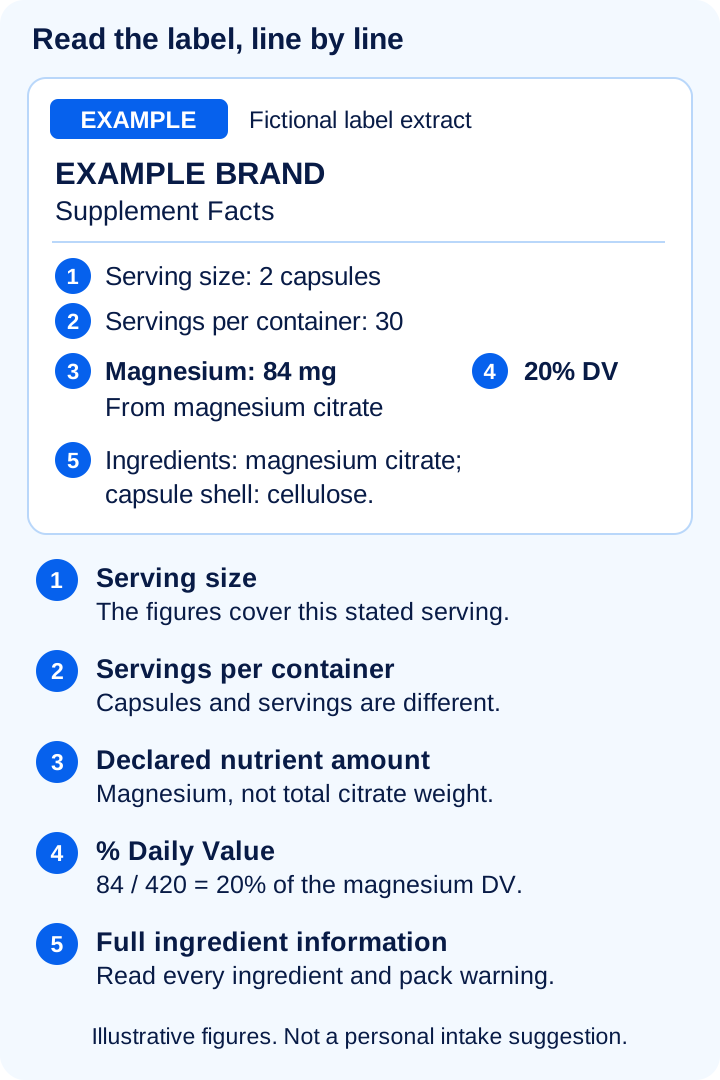
What does % Daily Value mean on a supplement label?
% Daily Value (%DV) shows how much of a nutrient one serving contributes, compared with a reference amount called the Daily Value. It is a labeling reference, not a personal requirement or an upper limit. A larger percentage is therefore not a reason, by itself, to favor one product.
FDA lists the Daily Value for magnesium as 420 mg. In our fictional label, 84 mg divided by 420 mg equals 20%. That calculation explains the percentage; it says nothing about the amount an individual should choose. FDA's own guide to reading %DV describes 5% or less as low and 20% or more as high, which is a way of reading the figure, not a target.
Not every ingredient has a Daily Value. Where none is established, the panel shows the amount without a percentage. That is not the same as zero content. Keep reference percentages separate from the quantities actually disclosed on the label.
Why can the active amount be lower than the headline?
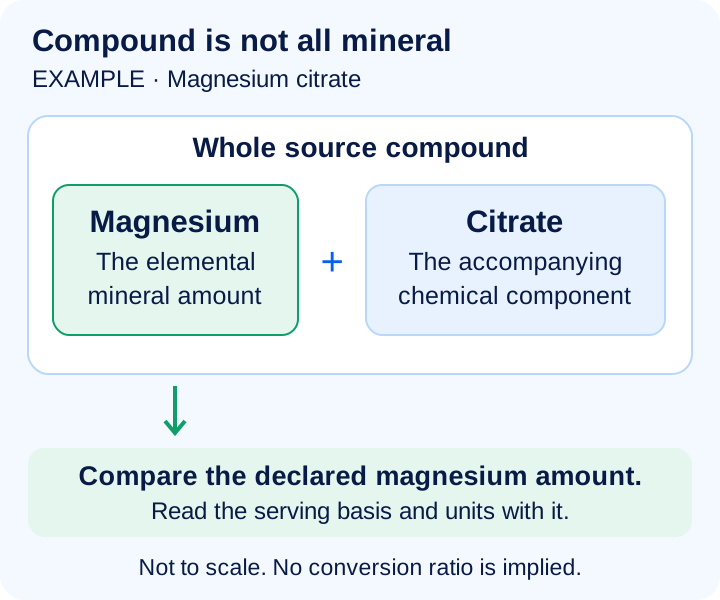
A mineral compound includes the mineral and other chemical components. Magnesium citrate is not entirely magnesium; ferrous sulfate is not entirely iron. When comparing mineral quantities, look for the declared magnesium or iron amount rather than using the mass of the whole source compound.
Labels often name the source form beside the nutrient, for example magnesium 84 mg (as magnesium citrate) in our fictional example. If a label names a source without clearly stating the nutrient amount, do not estimate a conversion from a generic percentage. The exact formulation may be unclear.
See how magnesium labels compare
The live cards below connect label reading with product analysis. Check active form, daily serving and testing alongside the price rather than choosing by one headline number.
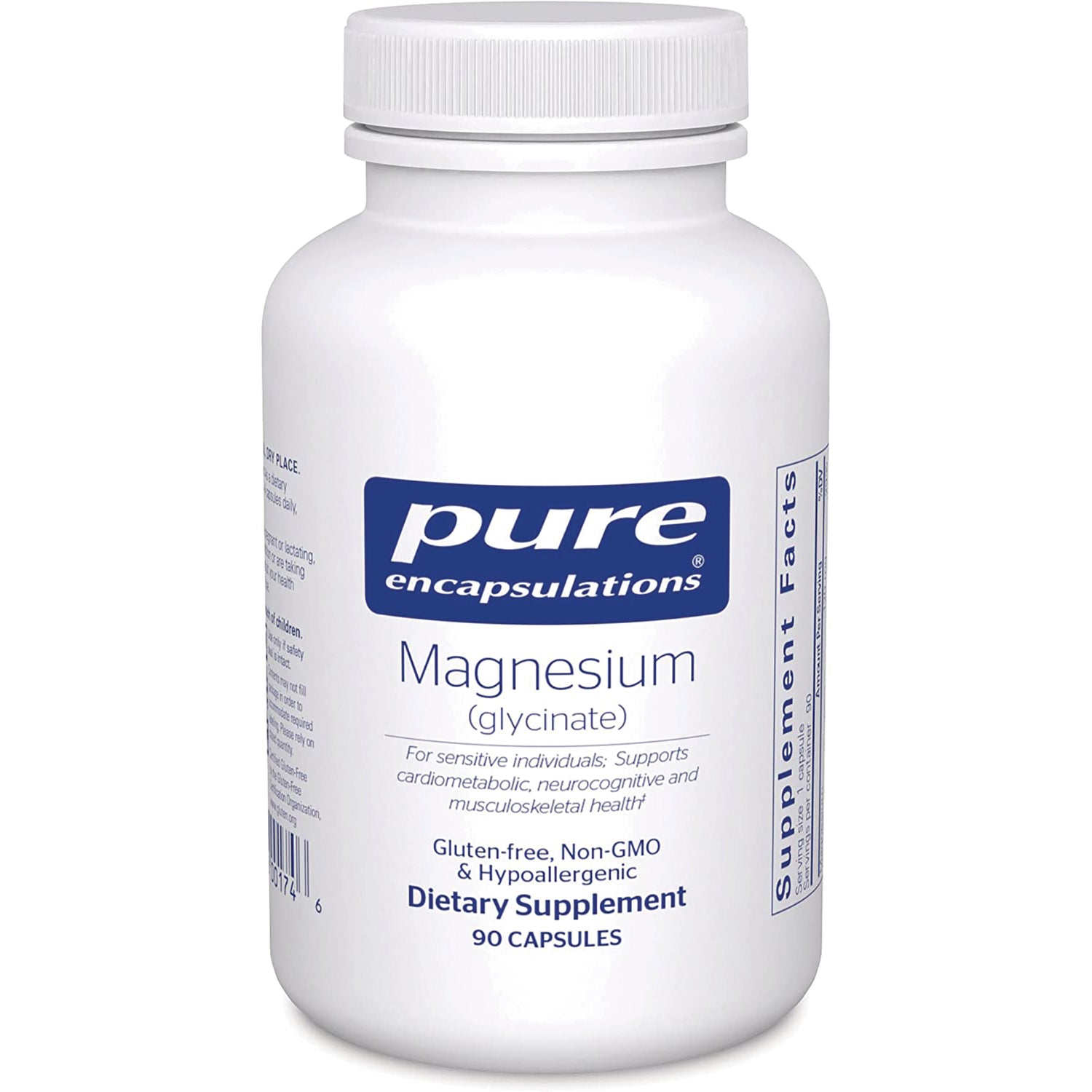 Pure Encapsulations Magnesium Glycinate 120mgView
 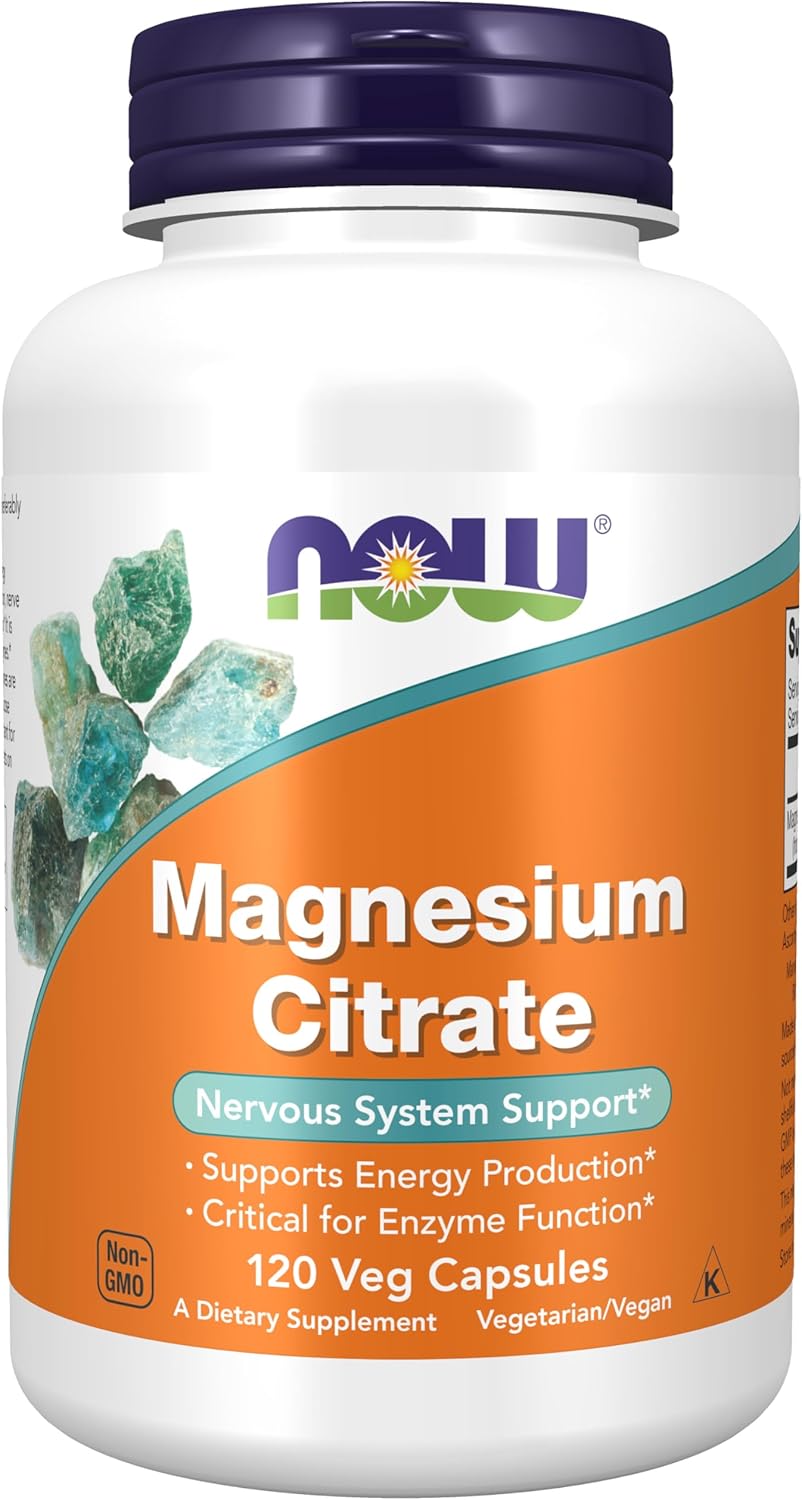 NOW Supplements, Magnesium Citrate, Enzyme Function, 120 Veg CapsView
  Vitamatic Magnesium Citrate 500mg per Serving – 180 Vegetarian Capsules (Provides 150 mg Elemental) – Added B6View
 We may earn a commission if you buy through our links. How we stay independent.
How do mg, mcg and IU differ?
| Unit | Meaning | Comparison check |
|---|---|---|
| mg | Milligram: a unit of mass | Keep the named ingredient and serving basis attached. |
| mcg or µg | Microgram: a smaller unit of mass | 1 mg equals 1,000 mcg. |
| IU | International Unit: a measure of biological activity | The conversion depends on the substance; there is no universal mg conversion. |
US labels declare vitamin D in micrograms (mcg), and some still show IU in brackets. For vitamin D, 1 mcg equals 40 IU, and FDA lists the current Daily Value as 20 mcg. That conversion is specific to vitamin D. Do not copy it across to another vitamin.
Our Vitamin D comparison shows amounts on a consistent basis. When checking a label against a listing, compare both the units and the declared serving: matching numbers in different units are not matching amounts.
What do the ingredient list and proprietary blends tell you?
Ingredient form
Note the source form named beside the nutrient or in the ingredients. Keep the form and amount as separate comparison fields.
Other ingredients
Read capsule shells, coatings, flavorings and other listed components too. 'Other ingredients' does not mean irrelevant to dietary preferences or allergens.
Blends
If only a combined amount is disclosed, you cannot work out each ingredient's amount. A blend name cannot fill that gap.
A proprietary blend is a mixture presented under a supplier's own name or formula. US rules require the panel to show the blend's total weight and list its ingredients in descending order of predominance by weight. They do not require an individual amount for each ingredient in the blend. That means the order shows which ingredient is present in the largest amount, but not how much of each there is.
For comparison, record what is stated. Do not divide the total equally between the ingredients or assume the most prominent one makes up most of it. If a shop description and the label photograph disagree, check which pack and formulation each describes. An unresolved mismatch is a reason to ask the manufacturer for clarification, not to select whichever number makes the comparison easier.
How should you read claims and warnings?
Read marketing claims separately from composition. Under the Dietary Supplement Health and Education Act of 1994, FDA does not approve dietary supplements before they are sold. Manufacturers and distributors are responsible for making sure their products are not adulterated or misbranded, and FDA can act against a product after it reaches the market. A structure or function statement on a label also carries a required note that FDA has not evaluated it and that the product is not intended to diagnose or address disease.
Check the pack's warning statements, allergen information and storage information as part of reading the label. Where supplements and medicines overlap, a pharmacist or doctor can advise on your circumstances; a label cannot.
When a label cannot answer your question
If you take medicines or need advice about suitability, talk to a pharmacist or doctor. A comparison table explains product information; it cannot assess your individual circumstances.
How does this site make labels comparable?
The Magnesium comparison separates active form from daily serving, then shows price per day, testing and score. Daily cost depends on the product's recorded serving information, so it can differ from a comparison based only on bottle price.
Our methodology explains the comparison approach, and how we score products explains the assessment behind the overall number. Use the detailed fields to understand differences rather than assuming the largest stated amount must score highest.
Before comparing two labels
- Match the stated serving size and check servings per container.
- Compare the same nutrient or active substance, with matching units.
- Separate source-compound weight from declared mineral content.
- Read ingredient forms, allergens, other ingredients and warnings.
- Keep % Daily Value, testing evidence and price as distinct information.
Frequently asked questions
What does % Daily Value mean on a supplement?
%DV shows how much of a nutrient one serving contributes compared with FDA's reference amount, the Daily Value. It is not a personal target or an upper limit, and it does not describe the quality of the ingredient form or testing. FDA describes 5% or less as low and 20% or more as high.
What is a serving size on a supplement?
It is the amount to which the Supplement Facts amounts relate, such as a stated number of capsules or one scoop. The panel also gives servings per container. Read the basis before comparing products, and read it as the manufacturer's stated serving rather than personalized advice.
Why does a label say 500 mg but show a lower active amount?
In that hypothetical example, the larger figure might refer to a whole compound or blend rather than the individual nutrient, or to a different serving basis. Read the exact row labels and units. For minerals, look for the declared elemental amount; do not guess a conversion from an unclear headline.
What does IU mean?
IU means International Unit, a measure of biological activity rather than a universal mass unit. The conversion depends on the substance. For vitamin D, 1 mcg equals 40 IU. That relationship helps read vitamin D labels, but it should not be reused for other vitamins.
What is a proprietary blend?
It is a mixture presented under a supplier's own name or formula. US labels must show the blend's total weight and list its ingredients in descending order by weight, but individual amounts are not required. A total alone cannot establish each ingredient's quantity, so record that limitation instead of assuming equal proportions.
Compare the information behind the headline
Choose a category and put ingredient forms, declared serving amounts, testing evidence and daily cost side by side.
We may earn a commission if you buy through our links. How we stay independent.