The US version of The Supplement Compare is currently being prepared and will be available soon.
Stronger today. Brighter tomorrow.Evidence. Options. A healthier you.
Vitamin D Supplements
Compare US vitamin D products by D2, D3 or D3 + K2, daily IU and micrograms, price and testing status. High-dose products need context: 5,000 IU daily exceeds the adult upper limit.
We may earn a commission from qualifying purchases at no extra cost to you. Affiliate relationships never determine our scores or rankings.
Displayed points and weights are rounded; the total uses unrounded weights. Pending dimensions are excluded. Provisional scores may change after review.
Testing evidence
Evidence status
Recognised certification
Manufacturer statement
Sports Research product page says "Third Party Tested Certified" and Nutrasource registry confirms Sports Research Vitamin D3 5000IU is "IGEN™ Certified" and "has PASSED because it does not contain detectable amounts of genetically engineered GMO proteins and genes included in the IGEN™ testing panel."
Displayed points and weights are rounded; the total uses unrounded weights. Pending dimensions are excluded. Provisional scores may change after review.
US total-intake RDA: 600 IU (15 mcg) at ages 1–70; 800 IU (20 mcg) at 71+. Adult upper limit: 4,000 IU (100 mcg) from all sources. Our dose comparison band spans 600 to below 4,000 IU; it is not a recommended daily dose. At-limit servings need context, and 5,000 IU exceeds the adult limit. Food and other supplements also count. Read the dose guide ↓
Sports Research product page says "Third Party Tested Certified" and Nutrasource registry confirms Sports Research Vitamin D3 5000IU is "IGEN™ Certified" and "has PASSED because it does not contain detectable amounts of genetically engineered GMO proteins and genes included in the IGEN™ testing panel."
Displayed points and weights are rounded; the total uses unrounded weights. Pending dimensions are excluded. Provisional scores may change after review.
NSF International’s public listings page includes Solgar’s product under the NSF Certified for Sport dietary supplement directory: "Solgar Vitamin D3 Cholecalciferol -- 5000 IU - 240 Vegetable Capsules" (visible in the NSF registry search results).
Displayed points and weights are rounded; the total uses unrounded weights. Pending dimensions are excluded. Provisional scores may change after review.
Displayed points and weights are rounded; the total uses unrounded weights. Pending dimensions are excluded. Provisional scores may change after review.
Manufacturer site says: "Developed in collaboration with health experts and tested by independent third-party laboratories" and the product page says "Is it heavy metal free?" / "Transparency you can trust" with a "heavy metal tested" icon, but I did not find an independently verifiable lab report or certification for this specific product.
Displayed points and weights are rounded; the total uses unrounded weights. Pending dimensions are excluded. Provisional scores may change after review.
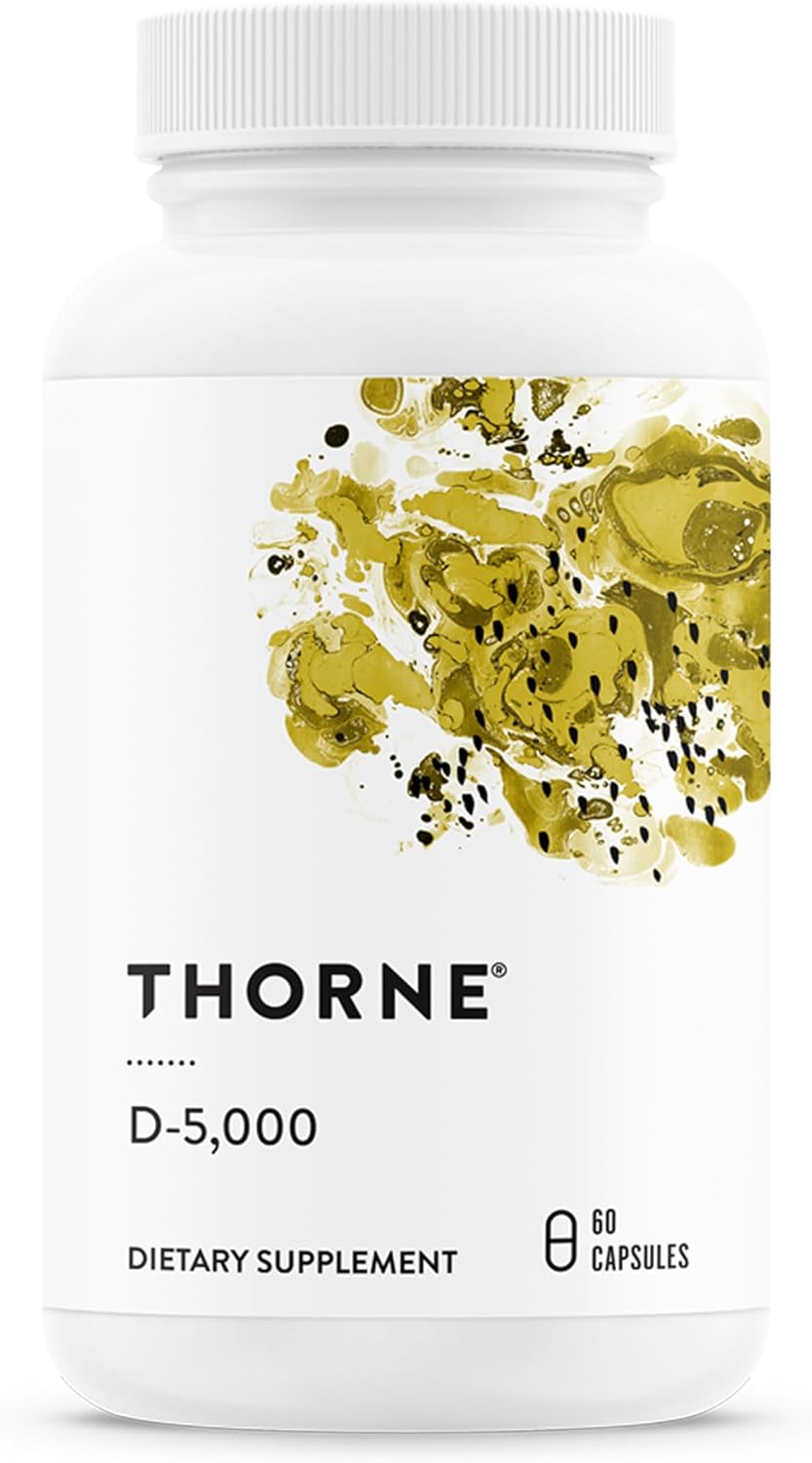
NSF Certified for Sport registry page for Thorne® D-5,000 shows the product as certified, with product details including Brand Thorne, Product Type Immune Aid/Vitamin, Product Form Capsules, Package Size 60, 120, and a list of certified lot numbers.
Displayed points and weights are rounded; the total uses unrounded weights. Pending dimensions are excluded. Provisional scores may change after review.
Displayed points and weights are rounded; the total uses unrounded weights. Pending dimensions are excluded. Provisional scores may change after review.
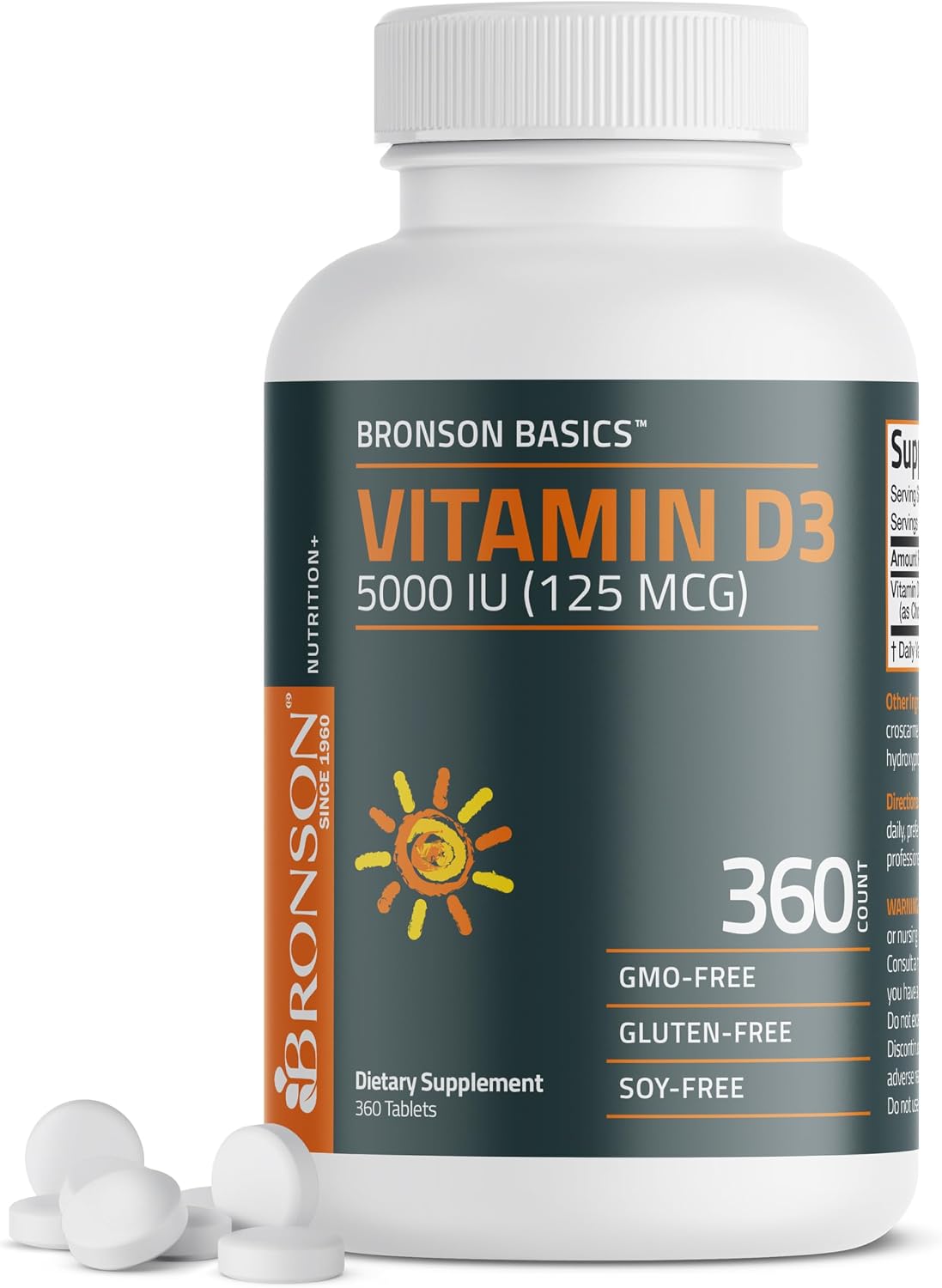
Bronson’s own Certifications page says: “Every product manufactured by Bronson is put through a rigorous process to ensure purity, potency and integrity” and “Bronson supplements undergo numerous laboratory tests to ensure quality standards are met.”
Displayed points and weights are rounded; the total uses unrounded weights. Pending dimensions are excluded. Provisional scores may change after review.
Micro Ingredients FAQ says: "Are your products third-party lab tested? Yes, our products are third-party lab tested for heavy metals and micro-organisms."
Displayed points and weights are rounded; the total uses unrounded weights. Pending dimensions are excluded. Provisional scores may change after review.
Displayed points and weights are rounded; the total uses unrounded weights. Pending dimensions are excluded. Provisional scores may change after review.
NOW Foods’ COA portal states: “A COA confirms that the product you purchased has gone through detailed testing and adheres to its product specifications and NOW standards.”
Displayed points and weights are rounded; the total uses unrounded weights. Pending dimensions are excluded. Provisional scores may change after review.
Nature's Plus product page says: "QUALITY YOU CAN TRUST: All NaturesPlus products are crafted with safe, high-quality ingredients and are independently, third-party tested and guaranteed."
Displayed points and weights are rounded; the total uses unrounded weights. Pending dimensions are excluded. Provisional scores may change after review.
Nordic Naturals states on its product page and quality page that its products are "third-party tested for quality, purity, and potency" and that it "obsessively test[s] every product lot"; however, I did not locate an independently verifiable COA or registry entry for this specific Vitamin D3 1000 IU product.
Displayed points and weights are rounded; the total uses unrounded weights. Pending dimensions are excluded. Provisional scores may change after review.
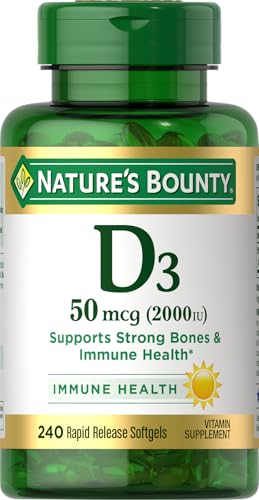
USP Verified Products registry lists "Nature's Bounty Vitamin D3 125 mcg Softgels" under Nature's Bounty, and the registry page is the certifying body's own site.
Displayed points and weights are rounded; the total uses unrounded weights. Pending dimensions are excluded. Provisional scores may change after review.
Manufacturer quality page says: "All Designs for Health® ingredients are tested against their specifications for potency, purity, and identity, and against contamination at external ISO certified laboratories." The COA page also says: "We test every batch of our products... Each Certificate of Analysis (COA) confirms that your product has been third-party tested and verified."
Displayed points and weights are rounded; the total uses unrounded weights. Pending dimensions are excluded. Provisional scores may change after review.
Displayed points and weights are rounded; the total uses unrounded weights. Pending dimensions are excluded. Provisional scores may change after review.
Displayed points and weights are rounded; the total uses unrounded weights. Pending dimensions are excluded. Provisional scores may change after review.
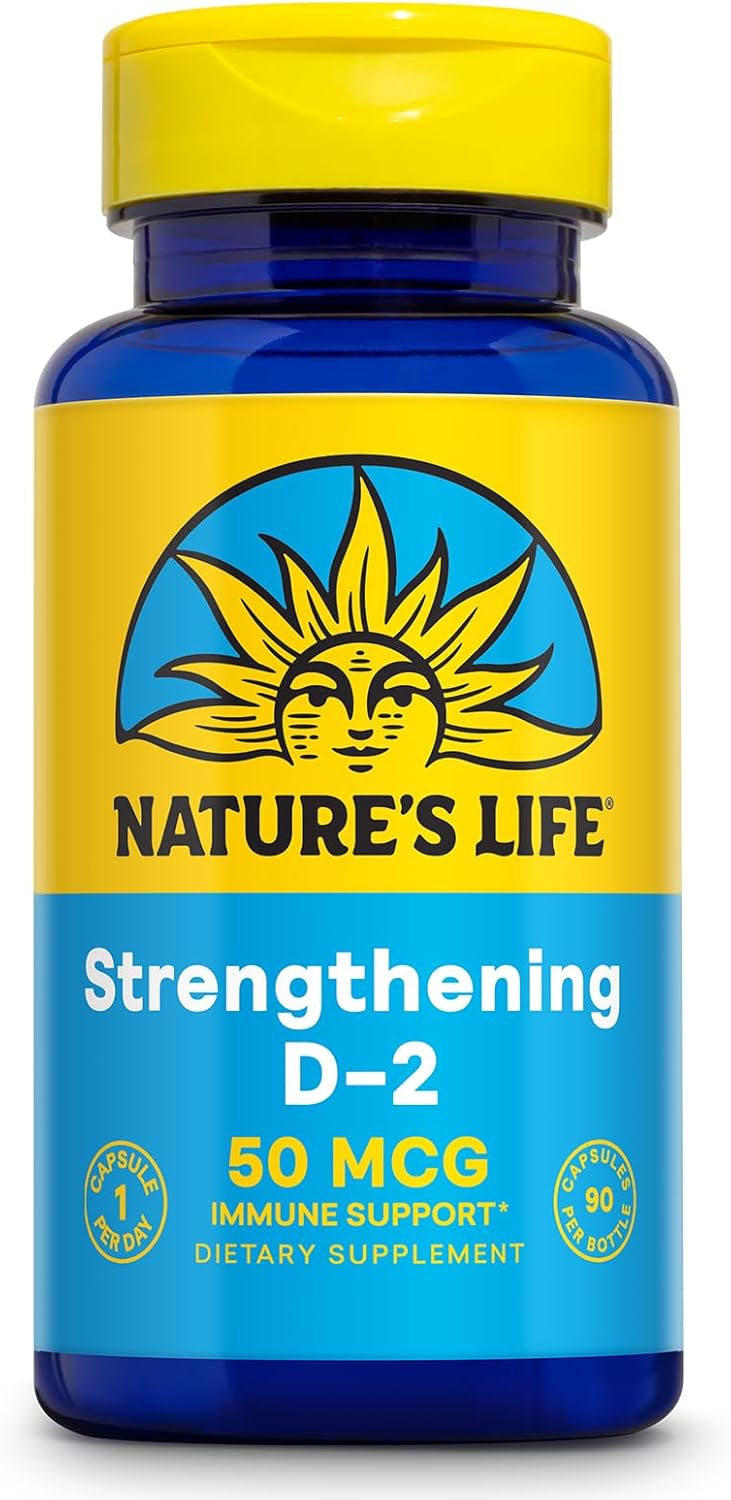
Nature's Life's own quality page says its lab is "ISO 17025:2017 Certified" and that it "triple-test[s] every product" for "Identity, Purity, Potency." I did not find an independently verifiable COA, lab report, or certifying-body registry entry for this specific Vitamin D2 2000 IU product.
Displayed points and weights are rounded; the total uses unrounded weights. Pending dimensions are excluded. Provisional scores may change after review.
Displayed points and weights are rounded; the total uses unrounded weights. Pending dimensions are excluded. Provisional scores may change after review.
Displayed points and weights are rounded; the total uses unrounded weights. Pending dimensions are excluded. Provisional scores may change after review.
Displayed points and weights are rounded; the total uses unrounded weights. Pending dimensions are excluded. Provisional scores may change after review.
Displayed points and weights are rounded; the total uses unrounded weights. Pending dimensions are excluded. Provisional scores may change after review.
Sports Research product page says "Third Party Tested Certified" and Nutrasource registry confirms Sports Research Vitamin D3 5000IU is "IGEN™ Certified" and "has PASSED because it does not contain detectable amounts of genetically engineered GMO proteins and genes included in the IGEN™ testing panel."
Displayed points and weights are rounded; the total uses unrounded weights. Pending dimensions are excluded. Provisional scores may change after review.
NSF International’s public listings page includes Solgar’s product under the NSF Certified for Sport dietary supplement directory: "Solgar Vitamin D3 Cholecalciferol -- 5000 IU - 240 Vegetable Capsules" (visible in the NSF registry search results).
Displayed points and weights are rounded; the total uses unrounded weights. Pending dimensions are excluded. Provisional scores may change after review.
Displayed points and weights are rounded; the total uses unrounded weights. Pending dimensions are excluded. Provisional scores may change after review.
Manufacturer site says: "Developed in collaboration with health experts and tested by independent third-party laboratories" and the product page says "Is it heavy metal free?" / "Transparency you can trust" with a "heavy metal tested" icon, but I did not find an independently verifiable lab report or certification for this specific product.
Displayed points and weights are rounded; the total uses unrounded weights. Pending dimensions are excluded. Provisional scores may change after review.
NSF Certified for Sport registry page for Thorne® D-5,000 shows the product as certified, with product details including Brand Thorne, Product Type Immune Aid/Vitamin, Product Form Capsules, Package Size 60, 120, and a list of certified lot numbers.
Displayed points and weights are rounded; the total uses unrounded weights. Pending dimensions are excluded. Provisional scores may change after review.
Displayed points and weights are rounded; the total uses unrounded weights. Pending dimensions are excluded. Provisional scores may change after review.
Bronson’s own Certifications page says: “Every product manufactured by Bronson is put through a rigorous process to ensure purity, potency and integrity” and “Bronson supplements undergo numerous laboratory tests to ensure quality standards are met.”
Displayed points and weights are rounded; the total uses unrounded weights. Pending dimensions are excluded. Provisional scores may change after review.
Micro Ingredients FAQ says: "Are your products third-party lab tested? Yes, our products are third-party lab tested for heavy metals and micro-organisms."
Displayed points and weights are rounded; the total uses unrounded weights. Pending dimensions are excluded. Provisional scores may change after review.
Displayed points and weights are rounded; the total uses unrounded weights. Pending dimensions are excluded. Provisional scores may change after review.
NOW Foods’ COA portal states: “A COA confirms that the product you purchased has gone through detailed testing and adheres to its product specifications and NOW standards.”
Displayed points and weights are rounded; the total uses unrounded weights. Pending dimensions are excluded. Provisional scores may change after review.
Vitamin form
D3 + K2SoftgelK2 (form not specified on label text) · dose not disclosed
Nature's Plus product page says: "QUALITY YOU CAN TRUST: All NaturesPlus products are crafted with safe, high-quality ingredients and are independently, third-party tested and guaranteed."
Displayed points and weights are rounded; the total uses unrounded weights. Pending dimensions are excluded. Provisional scores may change after review.
Nordic Naturals states on its product page and quality page that its products are "third-party tested for quality, purity, and potency" and that it "obsessively test[s] every product lot"; however, I did not locate an independently verifiable COA or registry entry for this specific Vitamin D3 1000 IU product.
Displayed points and weights are rounded; the total uses unrounded weights. Pending dimensions are excluded. Provisional scores may change after review.
USP Verified Products registry lists "Nature's Bounty Vitamin D3 125 mcg Softgels" under Nature's Bounty, and the registry page is the certifying body's own site.
Displayed points and weights are rounded; the total uses unrounded weights. Pending dimensions are excluded. Provisional scores may change after review.
Manufacturer quality page says: "All Designs for Health® ingredients are tested against their specifications for potency, purity, and identity, and against contamination at external ISO certified laboratories." The COA page also says: "We test every batch of our products... Each Certificate of Analysis (COA) confirms that your product has been third-party tested and verified."
Displayed points and weights are rounded; the total uses unrounded weights. Pending dimensions are excluded. Provisional scores may change after review.
Displayed points and weights are rounded; the total uses unrounded weights. Pending dimensions are excluded. Provisional scores may change after review.
Displayed points and weights are rounded; the total uses unrounded weights. Pending dimensions are excluded. Provisional scores may change after review.
Nature's Life's own quality page says its lab is "ISO 17025:2017 Certified" and that it "triple-test[s] every product" for "Identity, Purity, Potency." I did not find an independently verifiable COA, lab report, or certifying-body registry entry for this specific Vitamin D2 2000 IU product.
Displayed points and weights are rounded; the total uses unrounded weights. Pending dimensions are excluded. Provisional scores may change after review.
Displayed points and weights are rounded; the total uses unrounded weights. Pending dimensions are excluded. Provisional scores may change after review.
Displayed points and weights are rounded; the total uses unrounded weights. Pending dimensions are excluded. Provisional scores may change after review.
One-time purchase prices; delivery and conditional discounts excluded. Daily cost uses the recorded label serving. Comparison amounts are not personal dose recommendations. Unknown Prime eligibility is not treated as confirmed.
Vitamin D forms & labels explained
Use the vitamin form, source and full serving to compare. The cards describe label meanings; clinical references appear in the evidence, safety and blood-test sections.
D3
Cholecalciferol
Identity
One form of vitamin D
Source
Check the disclosed origin
D3 generally raises blood vitamin D more and for longer than D2. That is not proof that every D3 product produces better health outcomes.
D2
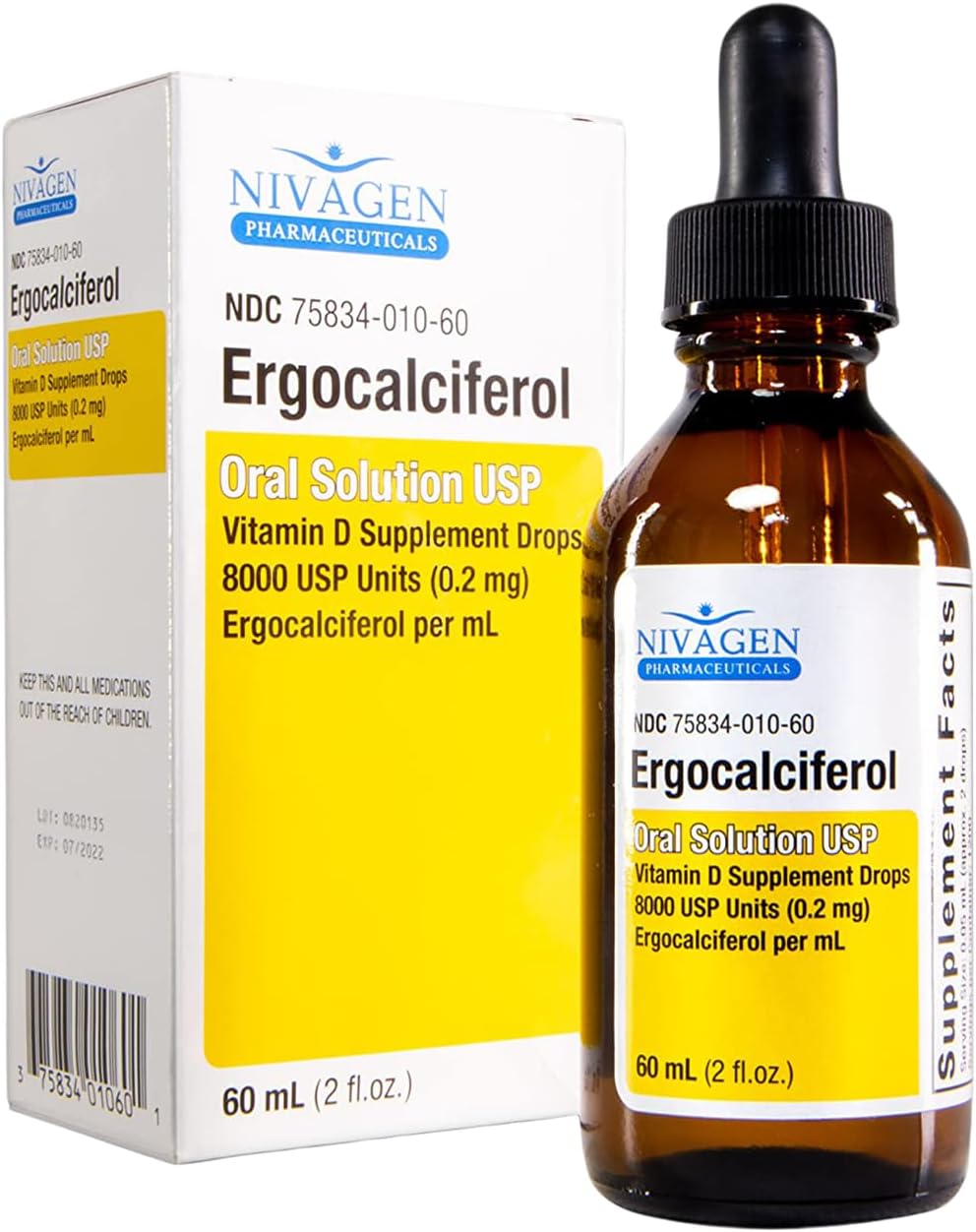
Ergocalciferol
Identity
Another active nutritional source
Coverage
Three D2 products in this US set
D2 can raise vitamin D status. It is not useless; the dose and clinical reason still matter.
D3 + K2
Two nutrients
K2 labels
MK-7, MK-4 or unspecified
Compare
Vitamin D and K2 amounts separately
K2 is not a license to exceed the vitamin D upper limit. A combined product does not establish that everyone needs both.
Vegan D3
Whole-product suitability
Check
Declared D3 source and capsule shell
Unknown source
Do not infer vegan status
Some current US products explicitly disclose lichen-derived D3. A vegetable capsule alone does not establish the source of the vitamin inside.
Units explained
IU and micrograms
Same unit
mcg and µg both mean micrograms
Conversion
1 mcg = 40 IU
Divide IU by 40. For example, 2,000 IU is 50 mcg; do not add the two descriptions as separate amounts.
Carrier oil
An ingredient, not a clinical ranking
Examples in this set
Olive, coconut and other oils
Check
Full ingredients and allergens
An oil or emulsifier claim does not verify absorption or superiority of the finished product.
Vitamin D dosage: US intake references
US adult RDAs are 600 IU (15 mcg) through age 70 and 800 IU (20 mcg) thereafter; pregnancy and lactation use 600 IU. These are total-intake references, distinct from the adult upper limit of 4,000 IU (100 mcg). NIH reference tables.
5,000 IU and 10,000 IU products
5,000 IU is 125 mcg; 10,000 IU is 250 mcg. Both exceed the adult 4,000 IU (100 mcg) upper limit when taken daily. The current US set includes these strengths. Their availability and comparison scores do not make them routine daily recommendations.
Total intake versus a treatment plan
The RDA counts food and supplements. A clinician may prescribe a different amount for an established indication, with a schedule and follow-up. Do not turn a weekly prescription into a daily routine or copy someone else’s deficiency treatment.
Vitamin D benefits and higher-dose products
For 5,000 IU and 10,000 IU products, see the daily-dose and upper-limit guide above. The evidence below distinguishes nutritional needs from extra supplementation.
NIH ODS distinguishes the RDA from the upper limit. The 800 IU (20 mcg) labeling Daily Value is also a different reference; a large %DV does not measure absorption.
NIAMS explains vitamin D’s role in calcium absorption and bone health. Meeting nutritional needs and taking extra vitamin D to prevent unrelated disease are different questions. The evidence table separates them.
Vitamin D evidence by goal
Evidence by goal
Goal
Evidence strength
What was assessed
Typical study context
Main limitation
Bone health and deficiency
Established nutritional role
D2 and D3
Adequate intake or indicated treatment
Not a reason for universal high dosing
Fracture prevention in healthy adults
No benefit in VITAL
D3, 2,000 IU/day
25,871 US participants
Not a trial selected for deficiency or osteoporosis
General disease prevention
No routine extra dose below 75
Guideline assessment
Generally healthy adults
Specific clinical indications differ
K2 for everyone using D3
Requirement not established
Different combinations
Biological roles and clinical evidence differ
Do not infer toxicity protection
Read the full evidence-by-goal detail
The VITAL fracture trial found no reduction in fractures with 2,000 IU/day in generally healthy midlife and older adults. Participants were not selected for vitamin D deficiency, osteoporosis or low bone mass; this does not negate treatment when indicated.
The Endocrine Society’s 2024 prevention guideline advises against routine supplementation above the dietary reference intake for healthy adults younger than 75. Its scope is disease prevention without established treatment indications. It identifies different considerations for pregnancy, adults 75 and older and high-risk prediabetes; those are not endorsements of the highest-dose product.
When to take vitamin D: food, timing and routine
NIH ODS notes that dietary fat can improve absorption, although some vitamin D is absorbed without fat. Taking a suitable product with a meal can be practical; the presence of carrier oil does not establish a universal best brand.
Morning or night?
This comparison does not establish a best clock time. Follow the label and any prescribed schedule. A daily product and a weekly treatment are not interchangeable.
Drops and gummies
Read whether the amount applies to one drop, several drops or a full gummy serving. Use the supplied measuring instructions; do not substitute a dropper from another concentration.
Vitamin D side effects and excessive intake
Who should be cautious?If any of the following apply to you, speak to a healthcare professional before taking Vitamin D - see the full detail below for why.
High-dose use, high blood calcium or a previous abnormal vitamin D result
Kidney disease, kidney stones or conditions affecting calcium metabolism
Medicines or several supplements containing vitamin D, calcium or vitamin K
NIH ODS explains that excessive vitamin D can raise blood calcium and cause nausea, weakness, thirst, frequent urination and kidney problems. Toxicity usually results from excessive supplemental intake. Seek medical advice for concerning symptoms, especially while taking high doses.
The upper limit is not a target. Add vitamin D from multivitamins, bone-health products and other supplements before deciding whether a new product fits your plan. K2 does not establish protection from vitamin D toxicity. Kidney disease and calcium-related conditions need individual advice.
Vitamin D interactions and D3 + K2
NIH ODS identifies relevant interactions, including thiazide diuretics, steroids and orlistat. A pharmacist can assess your actual medicine list.
NIH’s vitamin K guide explains its role in clotting and bone-related proteins and its important interaction with warfarin. Keep vitamin K intake consistent as advised by the prescriber; do not add or remove a D3 + K2 product without discussing it. MK-4 and MK-7 are K2 forms, not interchangeable evidence of benefit at any dose.
Vitamin D foods, sunlight and higher-risk groups
NIH ODS identifies fatty fish and fortified foods, including milk and some plant beverages, as useful sources. Older age, limited sun exposure, darker skin, fat-malabsorption conditions and obesity can affect vitamin D status. Skin production varies; a fixed national winter schedule or an unprotected-sun prescription is not appropriate here.
Review food labels and your circumstances. Being in a risk group does not automatically establish a deficiency, a need for screening or a 5,000 IU dose. Pregnancy and existing medical conditions deserve their own care plan.
Testing, labels and how we compare
Testing review pending means the detailed product evidence review is unfinished. While testing is pending, it is excluded and the score is provisional. It does not mean a product failed testing or that no evidence exists.
FDA does not approve supplements for safety and effectiveness before sale. Check the exact product and lot behind a quality claim.
A useful report identifies the product, batch, laboratory, date, methods and results. Ingredient identity, measured content and contaminant testing answer different questions. A raw-material certificate is not automatically evidence for the bottle you buy. See how we verify testing.
Check vitamin D amount in both units, form and serving, plus the separately declared K2 amount where present. A vegan or carrier-oil statement is not evidence of independently verified potency.
Vitamin D blood tests: understanding 25(OH)D
MedlinePlus describes the usual status test as 25-hydroxyvitamin D, or 25(OH)D. It measures the combined contribution from D2 and D3. The active-hormone test, 1,25-dihydroxyvitamin D, answers different clinical questions.
US units and reference context
NIH ODS describes below 12 ng/mL as too low and 20 ng/mL or above as adequate for most people; above 50 ng/mL may be harmful. These are general reference points, not a personal target or a complete diagnostic rule.
Read the supplied lab range
US reports commonly use ng/mL. Multiply by 2.5 to convert to nmol/L: 20 ng/mL equals 50 nmol/L. Use the laboratory method, interval, symptoms and clinical history together; do not interpret “higher” as always better.
Who needs a test?
The Endocrine Society guideline advises against routine screening in generally healthy people and does not define a universal disease-prevention target. Testing for a clinical indication is different. Do not order repeat panels simply to optimize a supplement score.
Testing evidence in this comparison
A testing claim is not the same as a verified report. No public evidence located does not mean a product has not been tested.
Testing review pending0
Recognised certification3
Verified independent evidence0
Manufacturer COA0
Testing claimed12
No public evidence located5
What does vitamin d cost?
Current US comparison set, based on the daily serving shown on each label.
$0.02Lowest daily cost
$0.14Median daily cost
$0.57Highest daily cost
Your questions, answered
Can I take 5,000 IU of vitamin D daily?
That is 125 mcg and exceeds the adult upper limit for routine intake. Discuss a clinical reason and follow-up rather than choosing it from a ranking. See higher-dose context.
What is the difference between IU and mcg?
For vitamin D, 1 mcg equals 40 IU. See the unit card.
Do I need K2 with vitamin D3?
A universal requirement is not established here, and K2 does not make excessive D safe. See K2 and medicine interactions.
Is D2 ineffective compared with D3?
No. Both can raise vitamin D status. See the D2 and D3 cards.
What vitamin D blood level should I aim for?
General reference points are not an individual treatment target. Use your report and clinician’s advice; see blood-test context.
Should I take vitamin D with food?
A meal containing fat can help absorption. Follow your product or prescribed schedule; see timing.
Is a vegan capsule always vegan vitamin D?
No source conclusion follows from the shell alone. See vegan D3.