
Best Overall
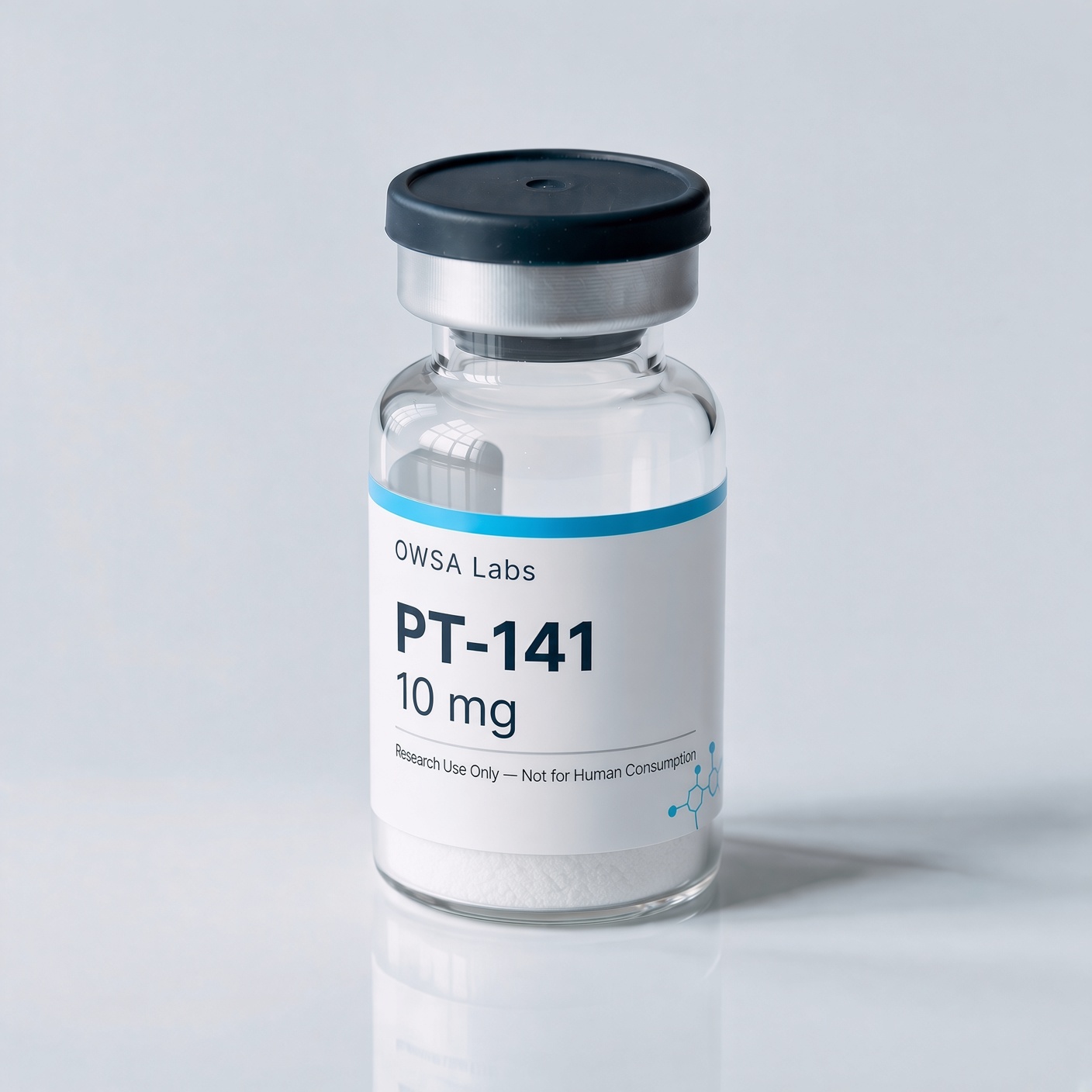
PT-141 — 10 mgOwsa Labs
Why this score?
- Testing & analytical evidence
- 39/45
- Value
- 18/25
- Product identity
- 11/15
- Supplier transparency
- 3/10
- Label & listing transparency
- 5/5
- Quantity
- 10 mg / vial
Testing evidence
- Evidence status
- Verified independent evidence
- Manufacturer statement
- "Certificate of analysis on every product"; product page says "Third-party tested" and "No independent COA has been published for this lot yet. We list published peptide reports on the Certificates of Analysis page."; certificates page lists PT-141 — 10 mg with Janoshik Analytical and batch P41/202602.
- Laboratory
- Janoshik Analytical
- Certification body
- Not recorded
- Batch
- P41/202602
- Batch-specific report
- Recorded
- Report date
- 2026-02-16
- Evidence checked
- 2026-09-22
£3.00per mg
£29.99per pack
Product & testing details
- Supplier
- Owsa Labs
- Vials per pack
- 1
- Price per vial
- £29.99
- Listing last checked
- 2026-09-22 11:04:33
- Evidence status
- Verified independent evidence
- Manufacturer statement
- "Certificate of analysis on every product"; product page says "Third-party tested" and "No independent COA has been published for this lot yet. We list published peptide reports on the Certificates of Analysis page."; certificates page lists PT-141 — 10 mg with Janoshik Analytical and batch P41/202602.
- Laboratory
- Janoshik Analytical
- Certification body
- Not recorded
- Batch
- P41/202602
- Batch-specific report
- Recorded
- Report date
- 2026-02-16
- Evidence checked
- 2026-09-22
PT-141 — 10 mg
Owsa LabsWhy this score?
- Testing & analytical evidence
- 39/45
- Value
- 18/25
- Product identity
- 11/15
- Supplier transparency
- 3/10
- Label & listing transparency
- 5/5
Testing evidence
- Evidence status
- Verified independent evidence
- Manufacturer statement
- "Certificate of analysis on every product"; product page says "Third-party tested" and "No independent COA has been published for this lot yet. We list published peptide reports on the Certificates of Analysis page."; certificates page lists PT-141 — 10 mg with Janoshik Analytical and batch P41/202602.
- Laboratory
- Janoshik Analytical
- Certification body
- Not recorded
- Batch
- P41/202602
- Batch-specific report
- Recorded
- Report date
- 2026-02-16
- Evidence checked
- 2026-09-22
£3.00per mg
£29.99per pack

