The US version of The Supplement Compare is currently being prepared and will be available soon.
Stronger today. Brighter tomorrow.Evidence. Options. A healthier you.
Omega-3 Supplements
Compare UK omega-3 supplements by actual EPA + DHA, daily cost, oil source and testing status. Explore fish oil, vegan algae, krill and cod liver oil, with clear serving details and evidence context.
We may earn a commission from qualifying purchases at no extra cost to you. Affiliate relationships never determine our scores or rankings.
Displayed points and weights are rounded; the total uses unrounded weights. Pending dimensions are excluded. Provisional scores may change after review.
Testing evidence
Evidence status
Recognised certification
Manufacturer statement
Nutrasource registry page for "Pure & Essential Super Concentrated Omega-3 Wild Fish Oil & Vitamin D3" states "IFOS™ Testing Results" and "Every batch is independently tested and certified by IFOS for mercury, PCBs and dioxins."
Displayed points and weights are rounded; the total uses unrounded weights. Pending dimensions are excluded. Provisional scores may change after review.
Testing evidence
Evidence status
Recognised certification
Manufacturer statement
Nutrasource registry page for "Pure & Essential Super Concentrated Omega-3 Wild Fish Oil & Vitamin D3" states "IFOS™ Testing Results" and "Every batch is independently tested and certified by IFOS for mercury, PCBs and dioxins."
Displayed points and weights are rounded; the total uses unrounded weights. Pending dimensions are excluded. Provisional scores may change after review.
Testing evidence
Evidence status
Testing claimed
Manufacturer statement
Manufacturer page says: "All products are subjected to a strict quality assurance system put in place by our on-site laboratory, to test each product at every stage: from raw material to finished product."
Compare EPA + DHA, not total fish-oil weight. Daily amounts and price use the same recorded serving. A larger dose is not automatically better; dietary guidance and prescription treatment are different contexts. Read the dose guide ↓
Nutrasource registry page for "Pure & Essential Super Concentrated Omega-3 Wild Fish Oil & Vitamin D3" states "IFOS™ Testing Results" and "Every batch is independently tested and certified by IFOS for mercury, PCBs and dioxins."
Displayed points and weights are rounded; the total uses unrounded weights. Pending dimensions are excluded. Provisional scores may change after review.
Displayed points and weights are rounded; the total uses unrounded weights. Pending dimensions are excluded. Provisional scores may change after review.
Nutrasource registry page for "Pure & Essential Omega-3 Wild Fish Oil | Igennus Healthcare Nutrition" states "IFOS™ Testing Results" and lists batch/lot reports for this product; the page also shows the product as "IGEN™ Certified".
Displayed points and weights are rounded; the total uses unrounded weights. Pending dimensions are excluded. Provisional scores may change after review.
Nutrasource registry page for 'Pure & Essential Vegan Omega-3 & Astaxanthin' shows 'IAOS™ Testing Results' and 'IGEN™ Certified' with selectable lot numbers, confirming the product passed the program.
Displayed points and weights are rounded; the total uses unrounded weights. Pending dimensions are excluded. Provisional scores may change after review.
Nutrasource registry page states: "IFOS™ Testing Results" for Pharmepa COMPLETE and shows selectable batch/lot entries, indicating this specific product is certified in the IFOS program.
Laboratory
Not recorded
Certification body
IFOS (International Fish Oil Standards) via Nutrasource
Displayed points and weights are rounded; the total uses unrounded weights. Pending dimensions are excluded. Provisional scores may change after review.
Manufacturer page says: "All products are subjected to a strict quality assurance system put in place by our on-site laboratory, to test each product at every stage: from raw material to finished product."
Displayed points and weights are rounded; the total uses unrounded weights. Pending dimensions are excluded. Provisional scores may change after review.
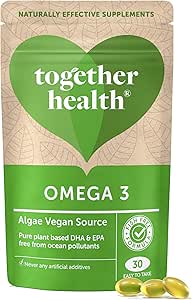
Manufacturer product page states: "INDEPENDENTLY TESTED SAFE" and "every batch we produce is tested and analysed by fully independent laboratories"; a linked batch report for this product is available and reads "Certificate of Analysis" for Product Omega 3, Product Code TH-OMEGA-30, Batch Number 2607006.
Displayed points and weights are rounded; the total uses unrounded weights. Pending dimensions are excluded. Provisional scores may change after review.
Manufacturer page states: "Friends of the Sea certified: Sustainable fishing" and "In addition, the nu3 Omega-3 capsules from Friends of the Sea have been awarded a certificate for sustainable products from fisheries and aquaculture." The certifier's own page confirms a product entry for "nu3 Premium Omega-3."
Displayed points and weights are rounded; the total uses unrounded weights. Pending dimensions are excluded. Provisional scores may change after review.
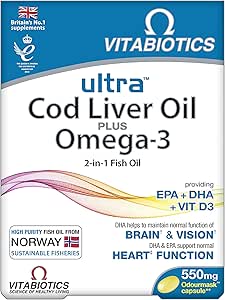
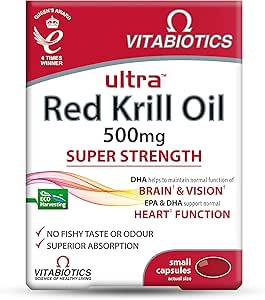
Vitabiotics product page says: "Each batch is rigorously tested, certified and fully compliant with stringent EC and WHO rules on environmental pollutants."
Displayed points and weights are rounded; the total uses unrounded weights. Pending dimensions are excluded. Provisional scores may change after review.
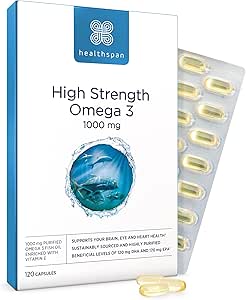
Friend of the Sea registry page for Healthspan Ltd shows: "Certification Status ACTIVE ... Own Brand Healthspan ... Category Omega 3 ... Products Scientific Name EPA - DHA Fish oil" and the Friend of the Sea news page states Healthspan "was awarded Friend of the Sea certification for their Omega-3 supplements."
Displayed points and weights are rounded; the total uses unrounded weights. Pending dimensions are excluded. Provisional scores may change after review.
Displayed points and weights are rounded; the total uses unrounded weights. Pending dimensions are excluded. Provisional scores may change after review.
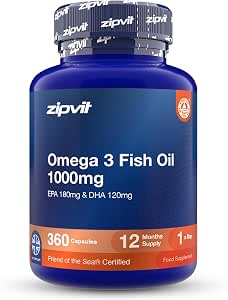
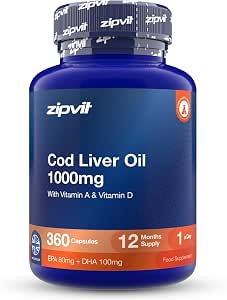
Zipvit product page says: "4/4 TESTS PASSED", "1/1 CLAIMS VERIFIED", and "INDEPENDENTLY LAB TESTED" / "SEE LAB RESULTS". The same page also says "For best before date and batch number, please see label."
Displayed points and weights are rounded; the total uses unrounded weights. Pending dimensions are excluded. Provisional scores may change after review.
Bulk’s own food-safety page says: “Our commitment to rigorous testing… All relevant batches of our products are independently tested for pesticides, heavy metals, microbial activity, and other contaminants.” It also says suppliers provide Certificates of Analysis or Certificates of Conformity.
Displayed points and weights are rounded; the total uses unrounded weights. Pending dimensions are excluded. Provisional scores may change after review.
Nordic Naturals' COA lookup for Ultimate Omega lot 250723 states: "Certificate Overview: Potency: Verified; Purity: Verified; Non-GMO: Verified" and lists assay results for EPA, DHA, total omega-3, heavy metals, and oxidation.
Displayed points and weights are rounded; the total uses unrounded weights. Pending dimensions are excluded. Provisional scores may change after review.
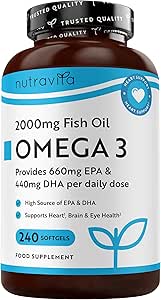
Friend of the Sea registry page for "Nutravita Omega3 Supplements" explicitly lists the product under "Friend of the Sea certified" and says "Nutravita Omega3 Supplements. www.nutravita.co.uk".
Displayed points and weights are rounded; the total uses unrounded weights. Pending dimensions are excluded. Provisional scores may change after review.
Displayed points and weights are rounded; the total uses unrounded weights. Pending dimensions are excluded. Provisional scores may change after review.
Manufacturer product page says: "Our supplement is lab-tested for purity to ensure it has no heavy metals" and the brand's third-party-tested page says it sends supplements to accredited third-party laboratories to verify purity and quality.
Displayed points and weights are rounded; the total uses unrounded weights. Pending dimensions are excluded. Provisional scores may change after review.
Zipvit’s product page says the fish oil is “Friend of the Sea® certified for responsible, sustainable fishing,” and the Friend of the Sea registry page for Zipvit Ltd shows Certification Status: ACTIVE, Category: Omega 3, Expiry date: 2028-01-19.
Displayed points and weights are rounded; the total uses unrounded weights. Pending dimensions are excluded. Provisional scores may change after review.
Nutravita’s own ingredients page says: “You’ll be pleased to know that our products do not include any genetically modified ingredients and any ingredient selected goes through strict testing to make sure it complies with EU standards.” It also says: “The testing is done in-house at the manufacturing site…” and the product page says “Laboratory tested products.”
Displayed points and weights are rounded; the total uses unrounded weights. Pending dimensions are excluded. Provisional scores may change after review.
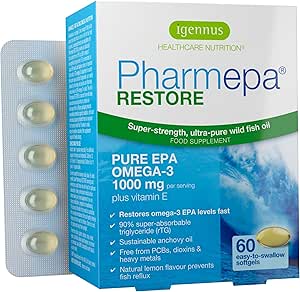
Verified directly on the Nutrasource certification registry: "Pharmepa RESTORE | Igennus Healthcare Nutrition | Certifications by Nutrasource" is listed under Igennus's certified products (id=IGLT0001), confirming genuine IFOS third-party batch testing for mercury, PCBs and dioxins.
Displayed points and weights are rounded; the total uses unrounded weights. Pending dimensions are excluded. Provisional scores may change after review.
Natures Aid says on its own site that "Natures Aid® Fish Oils are molecularly distilled, to ensure that there are no contaminants or heavy metals present. The purity and quality of all Natures Aid® fish oil products is guaranteed." It also says all products are tested by an on-site laboratory, but I did not find an independent lab report or a certifying-body registry entry for this specific product.
Displayed points and weights are rounded; the total uses unrounded weights. Pending dimensions are excluded. Provisional scores may change after review.
Displayed points and weights are rounded; the total uses unrounded weights. Pending dimensions are excluded. Provisional scores may change after review.
Manufacturer site says "100% Third-party tested" and the product page says "Third-Party Tested"; Amazon listing also shows "Third-Party Tested" and "Clean Label Certified" / "Friend of the Sea Certified."
Displayed points and weights are rounded; the total uses unrounded weights. Pending dimensions are excluded. Provisional scores may change after review.
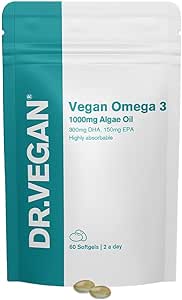
Amazon listing says "Pure & 3rd Party Tested"; DR.VEGAN product page says "Tested for heavy metals" and the homepage says "Scientifically studied ingredients". I did not find an independently verifiable lab report or certifying-body registry entry for this specific product.
Displayed points and weights are rounded; the total uses unrounded weights. Pending dimensions are excluded. Provisional scores may change after review.
Displayed points and weights are rounded; the total uses unrounded weights. Pending dimensions are excluded. Provisional scores may change after review.
Testa’s FAQ includes the item “Analysis reports + totox value,” and the page lists multiple PDF documents under DOCUMENT LINKS (e.g. Compleet-1417260101.pdf, Compleet-1426090100.pdf, etc.), indicating analysis reports exist on the manufacturer’s site. However, the linked PDFs I tried to open returned 404, so I could not verify the contents or tie them to this specific Amazon product.
Displayed points and weights are rounded; the total uses unrounded weights. Pending dimensions are excluded. Provisional scores may change after review.
Natures Aid says: “All products are subjected to a strict quality assurance system put in place by our on-site laboratory, to test each product at every stage: from raw material to finished product.”
Displayed points and weights are rounded; the total uses unrounded weights. Pending dimensions are excluded. Provisional scores may change after review.
Displayed points and weights are rounded; the total uses unrounded weights. Pending dimensions are excluded. Provisional scores may change after review.
Displayed points and weights are rounded; the total uses unrounded weights. Pending dimensions are excluded. Provisional scores may change after review.
Nutrasource registry page for "Pure & Essential Super Concentrated Omega-3 Wild Fish Oil & Vitamin D3" states "IFOS™ Testing Results" and "Every batch is independently tested and certified by IFOS for mercury, PCBs and dioxins."
Displayed points and weights are rounded; the total uses unrounded weights. Pending dimensions are excluded. Provisional scores may change after review.
Displayed points and weights are rounded; the total uses unrounded weights. Pending dimensions are excluded. Provisional scores may change after review.
Nutrasource registry page for "Pure & Essential Omega-3 Wild Fish Oil | Igennus Healthcare Nutrition" states "IFOS™ Testing Results" and lists batch/lot reports for this product; the page also shows the product as "IGEN™ Certified".
Displayed points and weights are rounded; the total uses unrounded weights. Pending dimensions are excluded. Provisional scores may change after review.
Nutrasource registry page for 'Pure & Essential Vegan Omega-3 & Astaxanthin' shows 'IAOS™ Testing Results' and 'IGEN™ Certified' with selectable lot numbers, confirming the product passed the program.
Displayed points and weights are rounded; the total uses unrounded weights. Pending dimensions are excluded. Provisional scores may change after review.
Nutrasource registry page states: "IFOS™ Testing Results" for Pharmepa COMPLETE and shows selectable batch/lot entries, indicating this specific product is certified in the IFOS program.
Laboratory
Not recorded
Certification body
IFOS (International Fish Oil Standards) via Nutrasource
Displayed points and weights are rounded; the total uses unrounded weights. Pending dimensions are excluded. Provisional scores may change after review.
Manufacturer page says: "All products are subjected to a strict quality assurance system put in place by our on-site laboratory, to test each product at every stage: from raw material to finished product."
Displayed points and weights are rounded; the total uses unrounded weights. Pending dimensions are excluded. Provisional scores may change after review.
Manufacturer product page states: "INDEPENDENTLY TESTED SAFE" and "every batch we produce is tested and analysed by fully independent laboratories"; a linked batch report for this product is available and reads "Certificate of Analysis" for Product Omega 3, Product Code TH-OMEGA-30, Batch Number 2607006.
Displayed points and weights are rounded; the total uses unrounded weights. Pending dimensions are excluded. Provisional scores may change after review.
Manufacturer page states: "Friends of the Sea certified: Sustainable fishing" and "In addition, the nu3 Omega-3 capsules from Friends of the Sea have been awarded a certificate for sustainable products from fisheries and aquaculture." The certifier's own page confirms a product entry for "nu3 Premium Omega-3."
Displayed points and weights are rounded; the total uses unrounded weights. Pending dimensions are excluded. Provisional scores may change after review.
Vitabiotics product page says: "Each batch is rigorously tested, certified and fully compliant with stringent EC and WHO rules on environmental pollutants."
Displayed points and weights are rounded; the total uses unrounded weights. Pending dimensions are excluded. Provisional scores may change after review.
Friend of the Sea registry page for Healthspan Ltd shows: "Certification Status ACTIVE ... Own Brand Healthspan ... Category Omega 3 ... Products Scientific Name EPA - DHA Fish oil" and the Friend of the Sea news page states Healthspan "was awarded Friend of the Sea certification for their Omega-3 supplements."
Displayed points and weights are rounded; the total uses unrounded weights. Pending dimensions are excluded. Provisional scores may change after review.
Displayed points and weights are rounded; the total uses unrounded weights. Pending dimensions are excluded. Provisional scores may change after review.
Zipvit product page says: "4/4 TESTS PASSED", "1/1 CLAIMS VERIFIED", and "INDEPENDENTLY LAB TESTED" / "SEE LAB RESULTS". The same page also says "For best before date and batch number, please see label."
Displayed points and weights are rounded; the total uses unrounded weights. Pending dimensions are excluded. Provisional scores may change after review.
Bulk’s own food-safety page says: “Our commitment to rigorous testing… All relevant batches of our products are independently tested for pesticides, heavy metals, microbial activity, and other contaminants.” It also says suppliers provide Certificates of Analysis or Certificates of Conformity.
Displayed points and weights are rounded; the total uses unrounded weights. Pending dimensions are excluded. Provisional scores may change after review.
Nordic Naturals' COA lookup for Ultimate Omega lot 250723 states: "Certificate Overview: Potency: Verified; Purity: Verified; Non-GMO: Verified" and lists assay results for EPA, DHA, total omega-3, heavy metals, and oxidation.
Displayed points and weights are rounded; the total uses unrounded weights. Pending dimensions are excluded. Provisional scores may change after review.
Friend of the Sea registry page for "Nutravita Omega3 Supplements" explicitly lists the product under "Friend of the Sea certified" and says "Nutravita Omega3 Supplements. www.nutravita.co.uk".
Displayed points and weights are rounded; the total uses unrounded weights. Pending dimensions are excluded. Provisional scores may change after review.
Displayed points and weights are rounded; the total uses unrounded weights. Pending dimensions are excluded. Provisional scores may change after review.
Manufacturer product page says: "Our supplement is lab-tested for purity to ensure it has no heavy metals" and the brand's third-party-tested page says it sends supplements to accredited third-party laboratories to verify purity and quality.
Displayed points and weights are rounded; the total uses unrounded weights. Pending dimensions are excluded. Provisional scores may change after review.
Zipvit’s product page says the fish oil is “Friend of the Sea® certified for responsible, sustainable fishing,” and the Friend of the Sea registry page for Zipvit Ltd shows Certification Status: ACTIVE, Category: Omega 3, Expiry date: 2028-01-19.
Displayed points and weights are rounded; the total uses unrounded weights. Pending dimensions are excluded. Provisional scores may change after review.
Nutravita’s own ingredients page says: “You’ll be pleased to know that our products do not include any genetically modified ingredients and any ingredient selected goes through strict testing to make sure it complies with EU standards.” It also says: “The testing is done in-house at the manufacturing site…” and the product page says “Laboratory tested products.”
Displayed points and weights are rounded; the total uses unrounded weights. Pending dimensions are excluded. Provisional scores may change after review.
Verified directly on the Nutrasource certification registry: "Pharmepa RESTORE | Igennus Healthcare Nutrition | Certifications by Nutrasource" is listed under Igennus's certified products (id=IGLT0001), confirming genuine IFOS third-party batch testing for mercury, PCBs and dioxins.
Displayed points and weights are rounded; the total uses unrounded weights. Pending dimensions are excluded. Provisional scores may change after review.
Natures Aid says on its own site that "Natures Aid® Fish Oils are molecularly distilled, to ensure that there are no contaminants or heavy metals present. The purity and quality of all Natures Aid® fish oil products is guaranteed." It also says all products are tested by an on-site laboratory, but I did not find an independent lab report or a certifying-body registry entry for this specific product.
Displayed points and weights are rounded; the total uses unrounded weights. Pending dimensions are excluded. Provisional scores may change after review.
Displayed points and weights are rounded; the total uses unrounded weights. Pending dimensions are excluded. Provisional scores may change after review.
Manufacturer site says "100% Third-party tested" and the product page says "Third-Party Tested"; Amazon listing also shows "Third-Party Tested" and "Clean Label Certified" / "Friend of the Sea Certified."
Displayed points and weights are rounded; the total uses unrounded weights. Pending dimensions are excluded. Provisional scores may change after review.
Amazon listing says "Pure & 3rd Party Tested"; DR.VEGAN product page says "Tested for heavy metals" and the homepage says "Scientifically studied ingredients". I did not find an independently verifiable lab report or certifying-body registry entry for this specific product.
Displayed points and weights are rounded; the total uses unrounded weights. Pending dimensions are excluded. Provisional scores may change after review.
Displayed points and weights are rounded; the total uses unrounded weights. Pending dimensions are excluded. Provisional scores may change after review.
Testa’s FAQ includes the item “Analysis reports + totox value,” and the page lists multiple PDF documents under DOCUMENT LINKS (e.g. Compleet-1417260101.pdf, Compleet-1426090100.pdf, etc.), indicating analysis reports exist on the manufacturer’s site. However, the linked PDFs I tried to open returned 404, so I could not verify the contents or tie them to this specific Amazon product.
Displayed points and weights are rounded; the total uses unrounded weights. Pending dimensions are excluded. Provisional scores may change after review.
Natures Aid says: “All products are subjected to a strict quality assurance system put in place by our on-site laboratory, to test each product at every stage: from raw material to finished product.”
Displayed points and weights are rounded; the total uses unrounded weights. Pending dimensions are excluded. Provisional scores may change after review.
One-time purchase prices; delivery and conditional discounts excluded. Daily cost uses the recorded label serving. Comparison amounts are not personal dose recommendations. Unknown Prime eligibility is not treated as confirmed.
Omega-3 sources & labels explained
Source, chemical form and delivery format answer different questions. These cards explain the labels used in the comparison. Disclosed forms are recorded as claims; they do not earn an automatic quality or absorption bonus.
Fish oil
Oil from fish tissue
Compare
EPA and DHA in the recorded daily serving
Source detail
Species are shown only when disclosed
The amount of fish oil includes other fats. A 1,000 mg oil capsule can contain 180 mg EPA and 120 mg DHA: 300 mg combined, not 1,000 mg. Read the full ingredient and allergen list.
Algae oil
A direct vegan source
Check
EPA as well as DHA; formulations differ
Whole product
The capsule shell must also suit your diet
Algae products can supply both EPA and DHA, while some emphasise DHA. Flaxseed oil supplies ALA, a different omega-3, and is not treated as an equivalent EPA/DHA dose. See the source discussion below.
Krill oil
Crustacean-derived oil
Check
Actual EPA + DHA, not krill-oil weight
Other components
May include phospholipids and astaxanthin
Some products blend krill with fish oil. Shellfish and fish allergens need attention. A phospholipid or astaxanthin claim does not verify freshness, clinical superiority or sustainable harvesting.
Cod liver oil
May add vitamins A and D
Compare
EPA + DHA and separately declared vitamins
Pregnancy
NHS advice is to avoid cod liver oil
Fish liver oil and fish-body oil are different product types. Some cod-liver products are blends. Include their vitamin D in your total from other supplements; an undisclosed vitamin amount does not mean zero.
TG, rTG and EE
Chemical forms of the oil
TG / rTG
Triglycerides / re-esterified triglycerides
EE
Ethyl esters
Form and meal conditions can affect absorption measurements. A higher blood response in a short study does not demonstrate better long-term health outcomes for every retail product. See the timing section and trial reference.
EPA and DHA
Two separate long-chain omega-3s
EPA
Eicosapentaenoic acid
DHA
Docosahexaenoic acid
The table shows their sum and individual amounts. The ratio describes a formulation; this page does not declare one ideal ratio for everyone. A high-dose or single-fatty-acid product needs purpose-specific context.
Reading oil labels
Oil, omega-3 and EPA + DHA
Example
1,000 mg oil with 180 mg EPA + 120 mg DHA
Concentration
300 ÷ 1,000 × 100 = 30% EPA + DHA
Other omega-3s, such as DPA, can make total omega-3 higher than EPA + DHA. Concentration is calculated only when source-oil mass is declared. We do not convert liquid ml into mg without a stated mass.
Omega-3 dosage: food, supplements and clinical use
Adult context — these are different kinds of guidance
Context
What it means
UK food guidance
Aim for at least two portions of fish weekly, including one oily portion; a portion is around 140 g. Pregnancy and some other groups have additional fish limits. NHS fish guidance.
Dietary adequate intake
EFSA’s dietary reference report sets 250 mg/day EPA + DHA for adults. This concerns total dietary intake; it is not an instruction for everyone to add a 250 mg capsule.
Retail label serving
This comparison uses the confirmed adult directions. When a range is allowed, the marked minimum basis determines both nutrients and price/day. This is a comparison convention, not personal dose advice.
Clinical treatment
Gram-level doses appear in studies and prescription treatment for specific patients. They are not a general wellness target. NICE guidance does not recommend omega-3 compounds for routine CVD prevention, with a defined prescription icosapent-ethyl exception.
Safety assessments
EFSA’s 2012 assessment found no safety concerns with combined supplemental EPA+DHA up to 5 g/day in adults on the evidence reviewed; this was not an established upper limit or a recommended dose. Newer, formulation-specific evidence also matters.
The badges use 250 mg/day EPA + DHA as EFSA dietary context, with 250–1,000 mg marked as a typical supplemented comparison band. The 1,000 mg boundary is an editorial cutoff, not an EFSA upper limit or a universal studied dose. The badge compares the product serving, not your total diet or personal need.
EFSA’s January 2026 DHA review retained a safe intake level of 1 g/day for supplemental DHA alone or predominantly DHA sources (EPA:DHA below 0.3). It could not establish a tolerable upper limit. A safe level, an upper limit and an intake target are different concepts.
Omega-3 benefits: what the evidence means
Omega-3s have nutritional roles, but a “heart”, “brain” or “eyes” claim does not establish that this bottle prevents disease. Separate food-based evidence, measured fatty-acid status and patient outcomes. NIH ODS overview.
Our score compares recorded product information and daily cost. It is not a prediction of benefit or a measure of your need for supplementation. Open each product’s Testing status to distinguish pending research, manufacturer claims and reviewed evidence.
Evidence by goal
Evidence by goal
Goal
Evidence strength
What was assessed
Typical study context
Main limitation
General dietary intake
Nutrition context
EPA + DHA from food or a suitable supplement
250 mg/day adult dietary adequate intake
Different from a supplement prescription.
Cardiovascular prevention
Purpose-dependent
NICE does not recommend routine omega-3 compounds
Prescription icosapent ethyl has specific eligibility
Retail fish oil is not interchangeable with that treatment.
Dry-eye symptoms
Mixed findings
A major trial found no advantage over placebo
DREAM studied 3 g/day for 12 months
Do not treat a dose used in a trial as a recommendation.
Rheumatoid arthritis symptoms
Limited adjunct evidence
Some studies suggest symptom benefit
Use alongside a clinical plan
Do not replace disease-modifying medicines.
Memory and ADHD
Uncertain / inconsistent
Findings vary by condition and population
No universal retail dose established here
A brain-health claim does not establish treatment efficacy.
Read the full evidence-by-goal detail
Heart and triglycerides
The NICE recommendations distinguish routine prevention from the specific prescription icosapent-ethyl indication. Do not substitute a retail EPA or fish-oil product for a prescribed medicine.
Dry eyes
The DREAM randomised trial found no significant advantage for 3 g/day marine omega-3 over its placebo for moderate-to-severe dry eye. Other studies differ; an eye-care assessment is more useful than choosing by the largest DHA number.
Joints and cognition
NCCIH’s evidence review describes possible adjunct symptom relief in rheumatoid arthritis and uncertain or inconsistent findings for cognitive and ADHD outcomes. These results do not establish one best source, brand or ratio.
When to take fish oil: food, routine and storage
With a meal
Follow your product’s directions; many recorded labels specify food. A randomised absorption study illustrates how formulation and meal conditions affect measured exposure. It does not identify a universally best brand or prove a fixed absorption multiplier for all users.
A workable routine
Use a time that fits the label and your routine. For a label allowing divided servings, keep the full daily amount in view. The table marks products where one daily serving contains several capsules.
After opening
Follow the current pack for refrigeration, light protection and use-by instructions. Liquid yield is theoretical: spills and the opened shelf life can reduce usable servings. A normal smell is not a laboratory freshness result.
Omega-3 side effects and higher-dose cautions
Who should be cautious?If any of the following apply to you, speak to a healthcare professional before taking Omega-3 - see the full detail below for why.
Blood-thinning medicines, a bleeding disorder or a planned procedure
Fish or crustacean allergies
Pregnancy, breastfeeding or supplements for a child
A heart-rhythm condition or treatment for high triglycerides
Unpleasant taste, reflux, nausea and diarrhoea are among the usually mild adverse effects described by NCCIH. Stop and seek advice if a supplement causes persistent problems.
Higher-dose context matters. The MHRA’s January 2024 warning concerns omega-3 acid ethyl ester medicines in people with established cardiovascular disease or risk factors. Atrial-fibrillation risk increased with dose and was greatest at 4 g/day. The review did not evaluate fish consumption or food supplements, so its medicine-specific risk estimates should not be applied directly to healthy supplement users.
Discuss high-dose use with a clinician, particularly with a heart-rhythm history or a treatment plan for high triglycerides. Do not use the 5 g safety-assessment figure as a self-treatment target. New palpitations, breathlessness or dizziness deserve medical assessment.
Interactions, added vitamins and pregnancy
Medicines and procedures
NCCIH’s practical guidance advises checking with a healthcare professional when taking medicines affecting blood clotting, with seafood allergy, during pregnancy or breastfeeding, or before giving omega-3 to a child. Tell your procedure team about supplements; do not stop prescribed medicines yourself.
Vitamin A and vitamin D
NHS pregnancy guidance says to avoid cod liver oil and supplements containing vitamin A (retinol) during pregnancy. Check vitamin D already supplied by an oil before adding a separate vitamin D supplement. Amounts vary between formulations.
Added antioxidants
Vitamin E, astaxanthin or rosemary can be formulation ingredients. Their presence is separate from measured oxidation, contaminant testing or proven superiority. The record preserves quantities only where disclosed.
Fish, food sources and vegan alternatives
Food first
Salmon, sardines, mackerel and herring are oily-fish examples. Food also supplies protein and other nutrients. Read the NHS advice on oily fish and fish limits rather than assuming a capsule reproduces all benefits of eating fish.
Vegan options
Algae oils supply long-chain omega-3s directly. Nuts, seeds and some plant oils supply ALA; its conversion to EPA and DHA is limited. NIH explains the distinction. Check the separate EPA/DHA values and the vegan claim for the entire product.
Choosing by need
People who avoid fish may find a clearly labelled oil convenient. A clinical goal, pregnancy or a restrictive diet can change the discussion. This adult comparison does not rank products as treatments or apply adult servings to children.
Freshness, contaminants and sustainability
Testing review pending means the evidence review is unfinished. IFOS, IAOS, purification and “heavy-metal tested” statements require a relevant supporting record before verification. Pending differs from a completed search finding no public evidence.
What a useful evidence review separates
Evidence
What to look for
Identity and potency
A dated result for EPA and DHA, method, laboratory and batch matching the product. Oil mass alone is insufficient.
Oxidation
Peroxide value measures primary oxidation; p-anisidine concerns secondary products. TOTOX combines them as 2 × peroxide value + p-anisidine value. Method suitability matters for flavoured or coloured oils.
Contaminants
The actual panel and detection limits for relevant metals, PCBs and dioxins, not simply “purified”.
Sustainability
The certification body, scope, species, fishery and traceable product. A sustainability claim is separate from a contaminant or freshness result.
Published product-testing research explains why flavour and formulation can affect oxidation assays. GOED’s technical submission discusses measurement limits for oil ingredients and retail products. We do not assign a TOTOX pass/fail from smell, marketing or a certification logo.
Provisional value scoring uses daily label-serving cost, so it measures affordability rather than equal EPA+DHA potency. Formulation receives no automatic bonus for more oil, TG/rTG/EE, additives or dose. Review each analysis for its dated sources and score basis. Read how testing is verified.
Omega-3 blood tests: what the index measures
What is the Omega-3 Index?
It expresses EPA + DHA in red blood cells as a percentage of their total fatty acids. Plasma, serum and whole-blood tests are different measurements. NIH ODS describes these biomarkers and notes that normal ranges are not established.
Read the laboratory method
Check the sample type, whether the result is measured or estimated, units, method and the laboratory’s interpretation. A commercial “optimal” band should not be treated as a universal diagnostic threshold.
What a result can change
A clinician may use a result alongside diet, supplements and the clinical question. It cannot establish which retail bottle is best, verify its contents or diagnose the cause of fatigue, poor concentration or joint pain.
A fatty-acid profile is different from a standard lipid panel used to assess triglycerides and cholesterol. This page does not require a paid test before purchasing a supplement or generate a dose from a percentage. Use consistent methods when comparing results over time.
Testing evidence in this comparison
A testing claim is not the same as a verified report. No public evidence located does not mean a product has not been tested.
Testing review pending0
Recognised certification6
Verified independent evidence0
Manufacturer COA2
Testing claimed12
No public evidence located8
What does omega-3 cost?
Current UK comparison set, based on the daily serving shown on each label.
£0.05Lowest daily cost
£0.34Median daily cost
£2.00Highest daily cost
Price insights
Shown only where the underlying product data is reliable.
Food guidance, total dietary intake and treatment doses answer different questions. Start with the adult dose guide; our table shows label servings, not a universal prescription.
Is 1,000 mg fish oil the same as 1,000 mg omega-3?
No. Read the EPA and DHA amounts. A 1,000 mg oil capsule containing 180 mg EPA and 120 mg DHA provides 300 mg combined. See the label example.
What is the difference between EPA and DHA?
They are separate fatty acids. The table shows each and their sum. There is no single ideal ratio declared here; read EPA and DHA explained.
Is algae omega-3 as useful as fish oil?
It can provide EPA and DHA directly. Check which fatty acids the product supplies, the daily amounts and the whole-product vegan claim. Source alone does not establish equivalent outcomes or quality.
Is krill oil better absorbed than fish oil?
Product form and study conditions matter. A phospholipid claim is not a universal clinical advantage. Compare disclosed EPA/DHA and read the krill and chemical-form cards.
When should I take fish oil?
Follow your label, including food and divided-serving instructions. The timing section explains why we do not specify one best clock time.
Can omega-3 help cholesterol, dry eyes or memory?
These are different outcomes with different evidence. The evidence table distinguishes clinical treatment from general nutritional claims.
Daily price and the actual EPA/DHA serving keep the main comparison compact. Oil concentration and individual fatty acids remain in the analysis details. Daily cost is not an equal-potency comparison.
Why are some products missing from the live table?
Products with unresolved serving or EPA/DHA conflicts are held for review. An unknown amount is not filled with zero, even when marketing calls an oil “pure EPA”.
Do men and women need different omega-3 products?
This page does not infer a separate product or ratio from gender marketing. Pregnancy, dietary intake and a clinical purpose are more relevant contexts; discuss individual needs with your care team.