
Learning how to read a peptide COA starts with matching the document to the material: check the laboratory, sample or batch identifier, report date and analytical methods. Then read the findings separately for identity, purity and content; a headline percentage cannot answer all three questions.
This guide explains the checks in a practical order. The example document is fictional, and the discussion concerns analytical evidence for research materials rather than conclusions beyond the tests reported.
Which listings have verifiable evidence?
Open a comparison with the verified-evidence filter selected, then inspect the underlying product analysis.
We may earn a commission if you buy through our links. How we stay independent. For laboratory research use only.
In this guide
What is a peptide certificate of analysis?
A certificate of analysis, or COA, records specified analytical findings for an identified sample or batch. It connects those findings with methods, dates and an issuing laboratory. It is evidence about the material examined under those conditions, not a blanket statement about every item a supplier sells.
The WHO model certificate includes sample identification, testing details and authorised reporting. Its pharmaceutical context is different from a research retail listing, but it provides a useful reference for document traceability. A certificate should let you establish what was examined and who reported it.
If the terminology is new, begin with our explanation of what research peptides are. Here, the focus is on reading the document that supports a particular listing, not judging a supplier from the appearance of its website.
How to read a peptide COA in six checks
Identify the laboratory
Find the issuer's full name and report reference. For verification, locate the laboratory through its own established website or directory entry rather than relying entirely on contact details printed in a screenshot.
Match the sample and batch
Compare the compound description and batch reference with the product offered. Similar names are not enough. If the supplier cannot link the document to the current material, record that gap.
Read the dates
Distinguish sample receipt, testing and report issue dates where given. A document's upload date is not necessarily the test date. Note revisions so an earlier version is not mistaken for the current report.
Find the methods
Check which method belongs to each finding. A list of instrument names without corresponding tests or findings leaves important questions unanswered. Do not assume a test occurred because a laboratory offers it.
Interpret the purity result
Read the method and how the percentage was calculated. Keep a chromatographic area percentage separate from a claim about mass. Check whether a chromatogram or supporting method description is available.
Separate identity from content
Look for distinct identity evidence and any measured quantity, with units. Where either is absent, write 'not reported'. Do not calculate a vial's peptide content from its purity percentage alone.
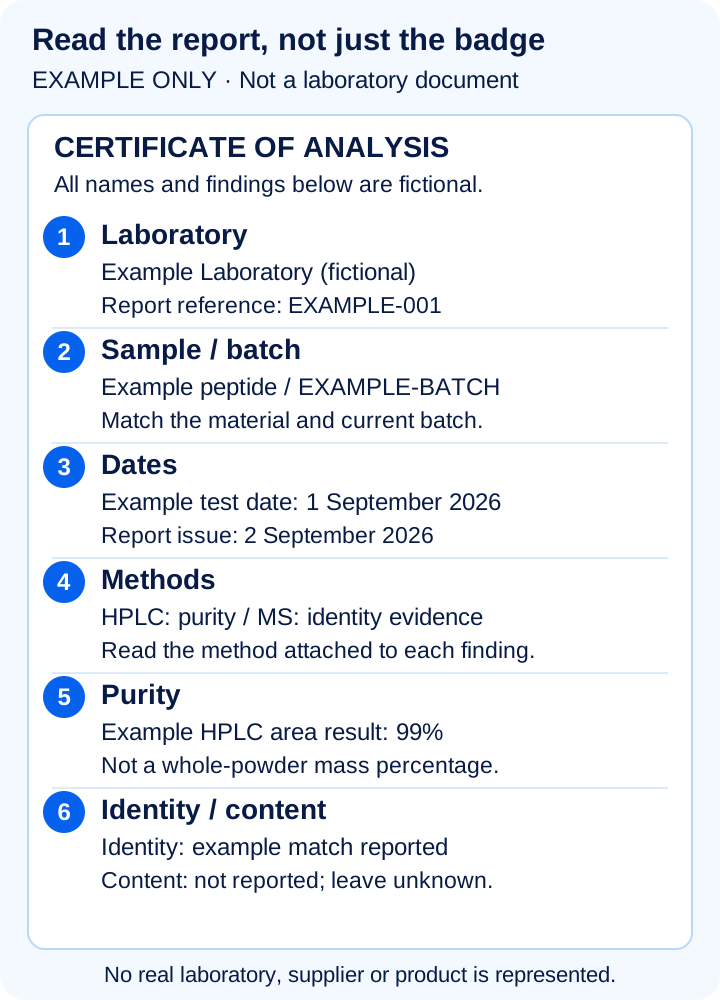
What does 99% peptide purity actually mean?
In a typical HPLC purity report, the percentage describes the target peak's share of the integrated signal under the stated method. HPLC means high-performance liquid chromatography: a technique that separates components before detection. The percentage needs that method context; it is not automatically the proportion of peptide by weight.
Bachem's technical quality-control guide distinguishes chromatographic purity from net peptide content. Water and counterions can contribute to material mass without being represented in the same way by a purity analysis. Bachem is a manufacturer; this source explains the chemistry and is not independent evidence for any retail product.
| Reported detail | Question it addresses | Keep separate |
|---|---|---|
| Identity evidence | Does the analysis support the named material? | Total quantity in the vial |
| Chromatographic purity | What proportion of the integrated signal belongs to the target peak? | Percentage of the whole powder by mass |
| Measured content | What quantity or content did the specified assay find? | The quantity printed on a shop listing |
Inspect evidence-linked BPC-157 listings
Use the live product analysis to see which documents support each testing status and what those documents actually cover.
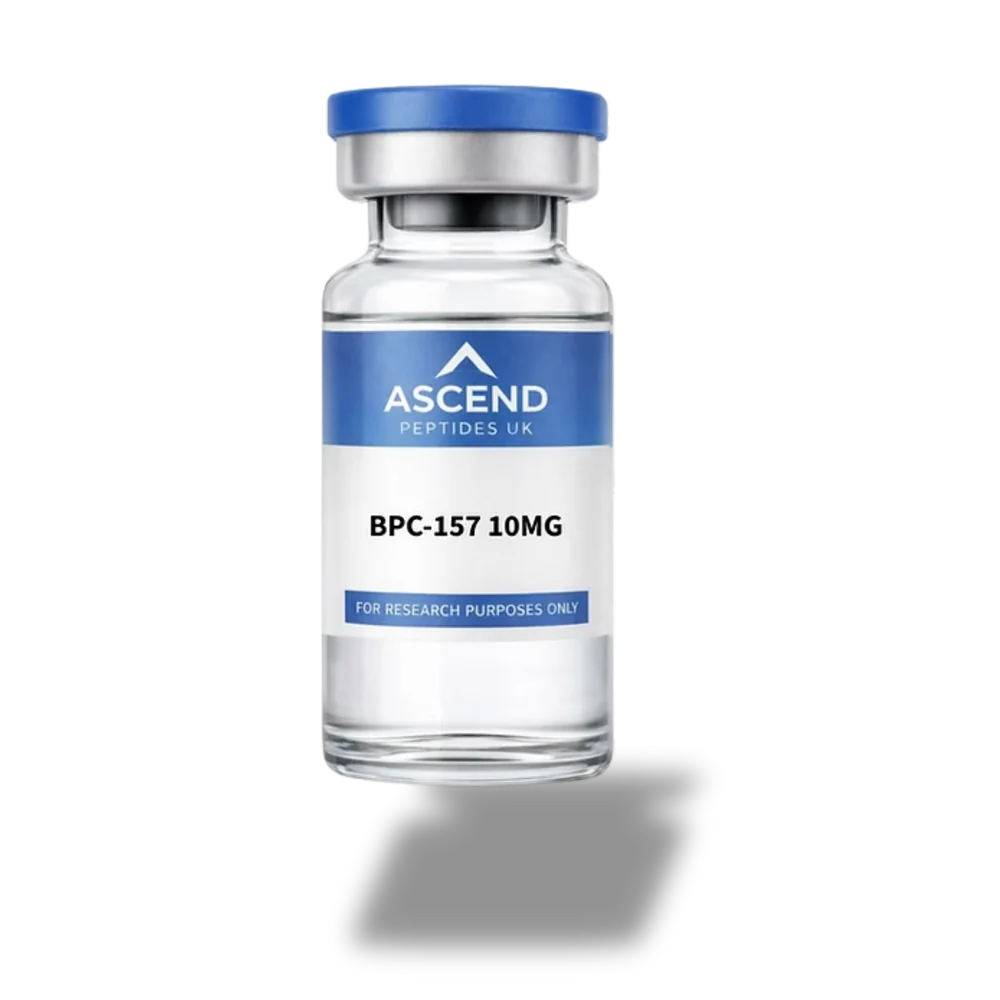 BPC-157 10mgAscend Peptides UKView
  BPC-157 10mgPepSourceView
 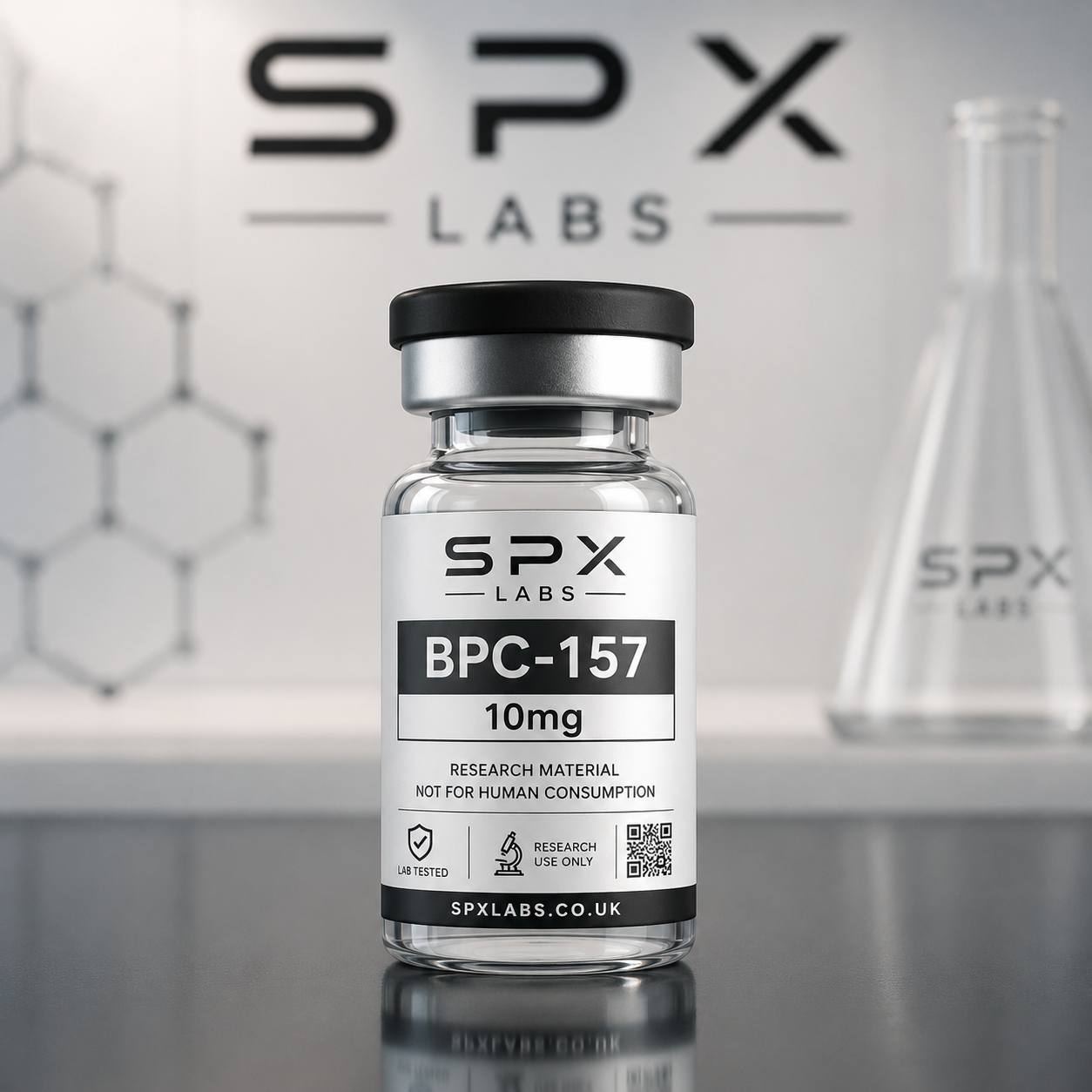 BPC-157 (Research Material) — 10mgSPX LabsView
 We may earn a commission if you buy through our links. How we stay independent. For laboratory research use only.
Do HPLC and mass spectrometry tell you the same thing?
No. Chromatography separates components, while mass spectrometry examines ions by their mass-to-charge ratios. They can provide complementary evidence. EDQM's technical guide discusses chromatographic and identification methods for peptide specifications; it does not make one instrument name a universal proof of complete identity.
A matching mass can support an identity assessment, but the laboratory must interpret it in the context of the method and material. Read the actual conclusion, not just 'MS' in a heading. Likewise, a visible dominant chromatographic peak does not explain everything that the method could or could not detect.
Keep conclusions within the report's scope
A COA does not establish suitability for people or animals, or demonstrate clinical outcomes. Tests not listed are not established by the document. Findings for a submitted sample also do not automatically characterise every vial sold under the same product name.
How can you check whether the document is genuine?
Start with the issuer, not the visual design. Where a laboratory provides a report-verification service, use it to check the reference and compare the returned details. Otherwise ask the laboratory whether it can confirm the document. An attractive logo or a working QR code does not resolve mismatched sample information.
If accreditation is claimed, check the relevant accreditation body's record and scope. UKAS describes accreditation schedules as records of an organisation's accredited activities. A laboratory's accreditation should not be assumed to cover every possible method or sample type.
Missing connection
A report may exist but have no demonstrated link to the batch on sale. Keep the report and the unresolved batch link separate.
Incomplete document
A cropped screenshot may omit methods, limitations or identifiers. Request the complete version before making a broader claim.
Unexplained mismatch
Different names, dates or references need clarification. A discrepancy is a question to investigate, not automatic proof of falsification.
How does this site assess peptide testing evidence?
Our testing verification methodology separates a claim from a manufacturer document, independent evidence and a relevant certification record. Human review checks identity, source links and scope before evidence is approved. An unfinished review remains pending; it is not a failed analytical test.
The BPC-157 comparison shows a summary, while product analysis provides the supporting detail. Our scoring explanation describes how evidence contributes to the wider assessment. Neither an overall score nor a badge expands what the underlying report establishes.
Before relying on a COA
- Can the issuer and report reference be checked?
- Does the sample identity match the listed material?
- Is the current batch connection clear?
- Are methods, units and dates available?
- Have purity and measured content been kept separate?
- Are limitations and missing tests recorded?
Frequently asked questions
What does a peptide COA prove?
It documents the reported findings for the identified sample and tests. Its strength depends on authenticity, traceability and the methods used. It does not automatically establish unreported properties or every batch a supplier offers. Check the sample connection before applying its conclusions to a particular listing.
Is 99% purity good?
A percentage alone is insufficient to judge a research material. Ask which method produced it, what the percentage represents and whether identity and content were also examined. A chromatographic percentage is not automatically peptide content by mass. Compare the complete evidence rather than ranking materials solely by a headline purity figure.
What is the difference between HPLC and mass spectrometry?
HPLC separates components and can support a purity assessment under a defined method. Mass spectrometry measures ions by mass-to-charge ratio and can contribute to identification. These techniques answer different analytical questions. Their names on a document are less informative than the actual methods, findings and interpretation attached to the sample.
Can a peptide COA be faked?
A document or screenshot can be altered, so appearance is not enough to establish authenticity. Check the report through the named issuer where possible and compare the sample, dates and reference. If confirmation is unavailable, record that limitation. Do not accuse a supplier of falsification solely because information is incomplete.
Where do I find a COA for a product?
Look in the product analysis, supplier document area or linked batch records. If only a general testing statement appears, ask for the relevant report and its connection to the current batch. A missing public document means the evidence is unavailable to inspect; it does not prove that no testing occurred.
Compare the evidence behind the badge
Open the filtered listings, then follow each product's analysis to the recorded source material.
We may earn a commission if you buy through our links. How we stay independent. For laboratory research use only.