
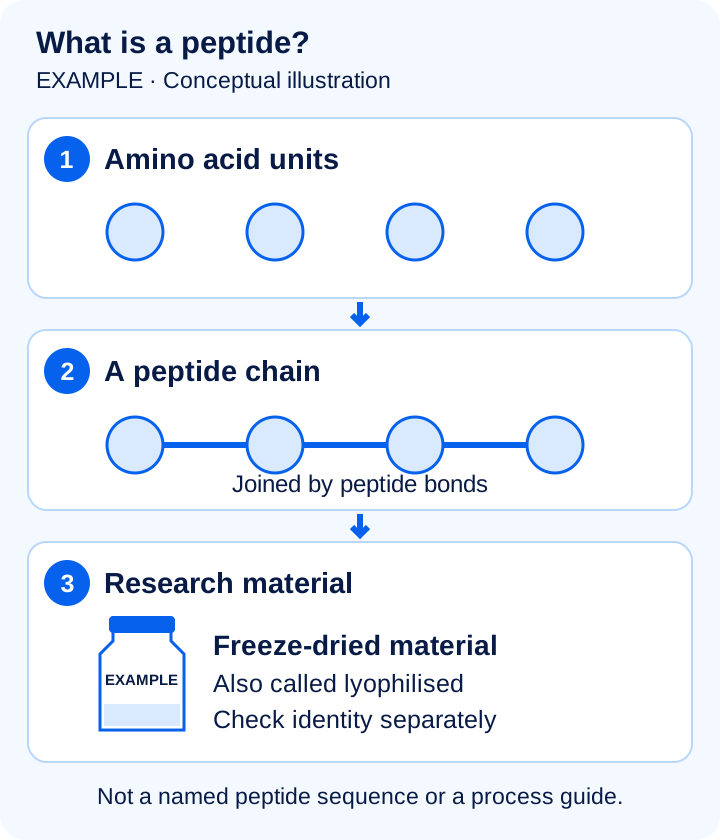
What are research peptides? They are peptide materials offered for laboratory investigation; a peptide is a short chain of amino acids joined by peptide bonds.
This guide explains research-use wording, quantities on listings and the documents behind testing claims. It also shows how to compare the same material across suppliers without confusing a product description with independent evidence.
Want to see what a comparison includes?
Choose a category to examine labelled quantities, pricing and the testing evidence recorded for each listing.
We may earn a commission if you buy through our links. How we stay independent. For laboratory research use only.
In this guide
What are research peptides, in plain English?
A peptide is a chain of amino acids connected by chemical links called peptide bonds. A research peptide is a peptide material supplied for laboratory investigation. The scientific name describes the molecule; the research-use label describes its stated purpose. Neither, by itself, confirms the identity or quality of the contents.
NCBI Bookshelf's peptide overview explains the chain structure. For comparison purposes, the important next question is which precise material a listing identifies. Check the full compound name and any variant, modification or blend description rather than matching only a familiar abbreviation.
What does research use only mean?
Research-use wording states that a supplier is offering material for laboratory work. It is not a laboratory report, a certification or a regulator's approval. Record the designation, then look separately for the evidence supporting the supplier's product description.
MHRA guidance explains that product classification depends on factors including presentation, claims and the properties of ingredients. Our reading of that guidance is that a research-use disclaimer alone cannot settle a product's regulatory status. A UK website address does not settle it either.
Research material
Compare the stated identity, quantity, batch information and analytical documents. Research wording does not verify these details.
Medicinal classification
This is a separate regulatory question. Check MHRA information rather than assuming a familiar molecule name establishes a listing's status.
Food supplement
Food supplements sit within food legislation. Government guidance describes their labelling framework; research materials should not be read as equivalent supplement listings.
How are research peptides described on listings?
Identify the material
Read the complete product name. For a blend, note each named component and whether its individual quantity is disclosed. A combined total cannot tell you the split between ingredients.
Read the physical format
Lyophilised means freeze-dried. The FDA's technical glossary describes removal of water from frozen material under reduced pressure. That describes a process, not proof of identity or purity.
Separate container size from contents
A vial's capacity describes the container. A quantity in milligrams describes mass. Check whether the listing's amount refers to one vial or the entire pack before comparing figures.
Find the batch reference
Look for a batch or lot identifier on the listing or document. Ask whether it matches the material currently offered. Keep an unmatched report separate from evidence linked to a current batch.
What should testing evidence actually answer?
| Question | Look for | Do not substitute |
|---|---|---|
| Identity: what was tested? | A named sample and a suitable identity method | A product name printed on a shop page |
| Purity: what did the method distinguish? | The analytical method and its reported findings | An unexplained percentage badge |
| Quantity: how much was measured? | A content result with units, where available | A purity percentage alone |
| Traceability: which sample does it concern? | Batch reference, laboratory and report date | An unrelated or undated document |
ICH Q6B distinguishes identity, purity and quantity in analytical specifications. It is pharmaceutical guidance, not a certification scheme for research retailers; the useful principle here is that these measurements answer different questions. A purity result does not, on its own, establish the mass of peptide in a vial.
Our testing verification methodology explains how we assess available evidence. Read the underlying document where provided, including its sample description and limitations, instead of relying only on a badge.
See the evidence alongside real listings
These BPC-157 listings come from our current comparison data. Open an analysis to inspect the recorded details behind the summary.
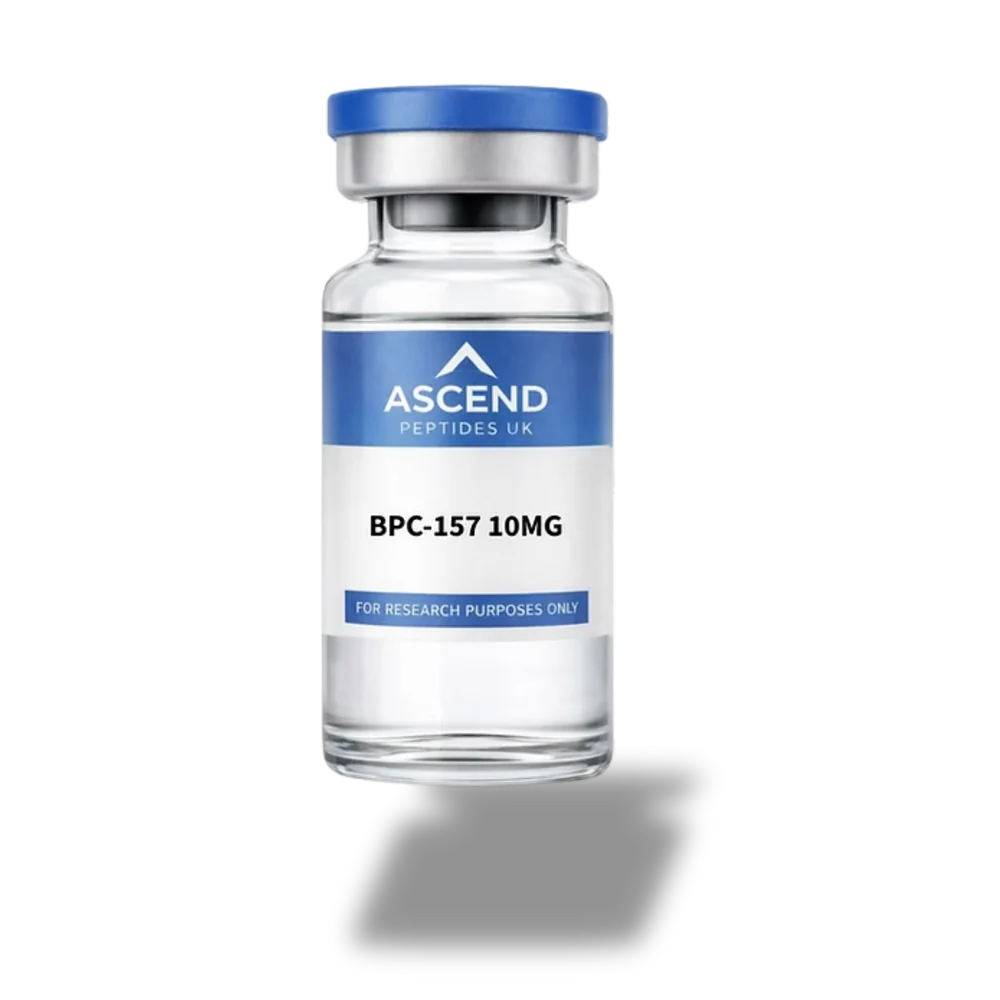 BPC-157 10mgAscend Peptides UKView
  BPC-157 10mgPepSourceView
 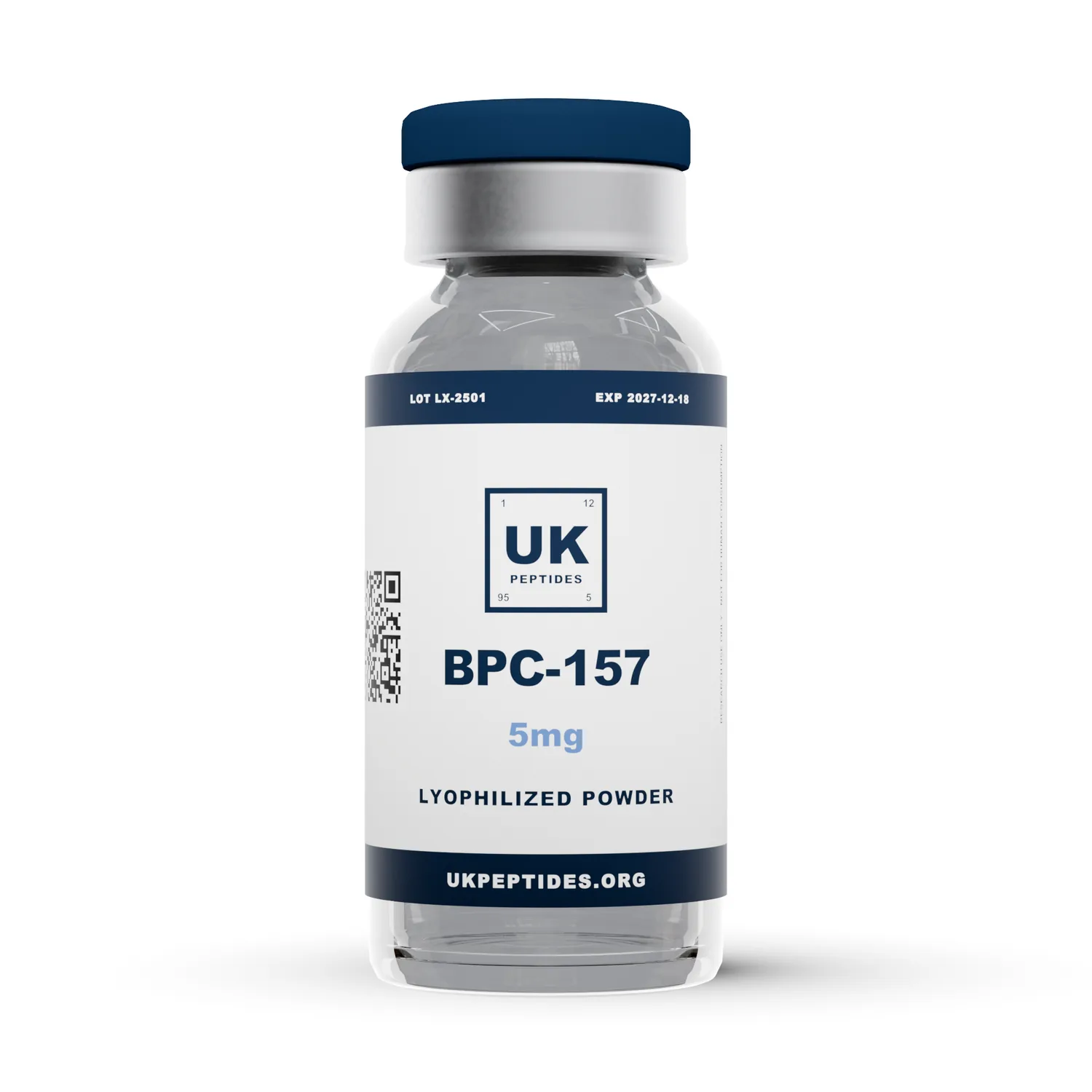 BPC-157 5mgUK Peptides (ukpeptides.org)View
 We may earn a commission if you buy through our links. How we stay independent. For laboratory research use only.
How do you compare UK research peptide suppliers?
Start with like-for-like listings, then compare the documentation as carefully as the price. A lower advertised cost and a more complete evidence record are different observations. Keep both visible rather than letting one stand in for the other.
Calculate price per mg by dividing the price for the selected pack by its total labelled milligrams. Describe that as a label-based comparison unless the quantity has been independently measured. Keep delivery charges and conditional discounts separate so the calculation can be checked.
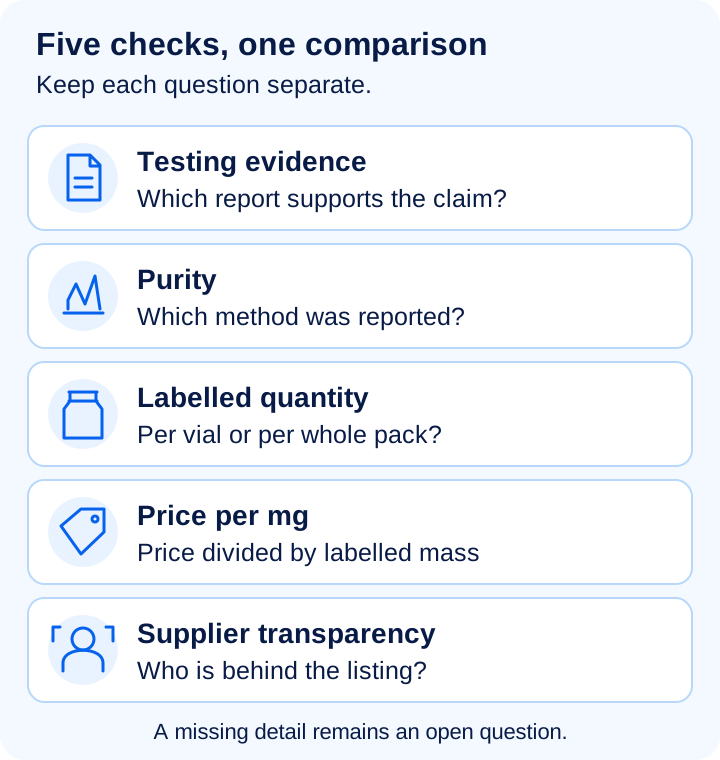
For supplier transparency, look for an identifiable business, contact information and accessible product documents. These help you ask follow-up questions; they do not replace product testing. Our comparison methodology sets out how we separate the available information.
The BPC-157 category comparison places quantity, price per vial, price per mg, testing and score alongside each other. Open product analysis before drawing a conclusion from an overall score.
Which common shortcuts make comparisons misleading?
Keep the claim attached to its evidence
- A research-use label is a description, not a testing certificate.
- A report for a different batch does not establish the contents of the current batch.
- A larger vial is not proof of more peptide; read the labelled mass.
- A supplier-wide testing statement is not automatically evidence for every listing.
Be equally careful with gaps. A document that is not publicly accessible may need to be requested; its absence from a listing does not establish what testing did or did not take place. Write down exactly what you could verify, and distinguish that from an unresolved question.
What should you check before comparing another listing?
A short listing checklist
- Match the full compound identity and any blend components.
- Record the labelled amount per vial and the number of vials in the pack.
- Check the report's laboratory, sample identifier, date and methods.
- Separate measured content from labelled content and purity.
- Check business details and note any unanswered questions.
Use the research peptide directory to choose a compound, then work through its listings consistently. The most useful comparison is one you can retrace: the same material, a clear quantity basis and documents that support the specific statements being made.
Frequently asked questions
What is a peptide?
A peptide is a short chain of amino acids linked by peptide bonds. The order of those units helps define the molecule. NCBI Bookshelf describes this basic structure. A peptide name on a listing identifies the stated material; an analytical document is needed to examine evidence about the supplied sample.
What does research use only mean?
It states the supplier's intended laboratory purpose for the material. It does not establish analytical quality or amount. Read that wording separately from test reports, batch references and product specifications. MHRA classification guidance also considers a product's presentation and properties, so the phrase alone cannot answer every regulatory question.
Are research peptides the same as supplements?
No. Food supplements are covered by a food-law framework, while a research-material listing describes a different purpose. Government food-supplement guidance sets out that framework. Do not carry assumptions about supplement labels over to a research listing: examine the material's identity, quantity and documentation on their own terms.
Are peptides sold in the UK legal to buy?
There is no reliable blanket answer covering every peptide and listing. The exact substance, presentation and applicable rules matter. MHRA guidance explains how borderline medicinal classification is assessed. A UK domain or research-use disclaimer is not a legal determination; unresolved cases need a product-specific regulatory check.
How do I compare peptide suppliers?
Compare the same named material and quantity basis first. Then inspect accessible testing documents, batch links, business details and the cost per labelled milligram. Keep delivery charges and conditional discounts separate. A transparent comparison records what is verified and what remains unclear rather than filling missing fields with assumptions.
What is a peptide COA?
COA stands for certificate of analysis: a document recording specified analytical findings for an identified sample or batch. Its value depends on the issuing laboratory, methods, traceability and actual tests reported. Check the document itself; a certificate title alone does not tell you whether identity, purity and quantity were all examined.
Put the questions beside the listings
Compare labelled quantities, recorded testing evidence and supplier information in one place.
We may earn a commission if you buy through our links. How we stay independent. For laboratory research use only.