
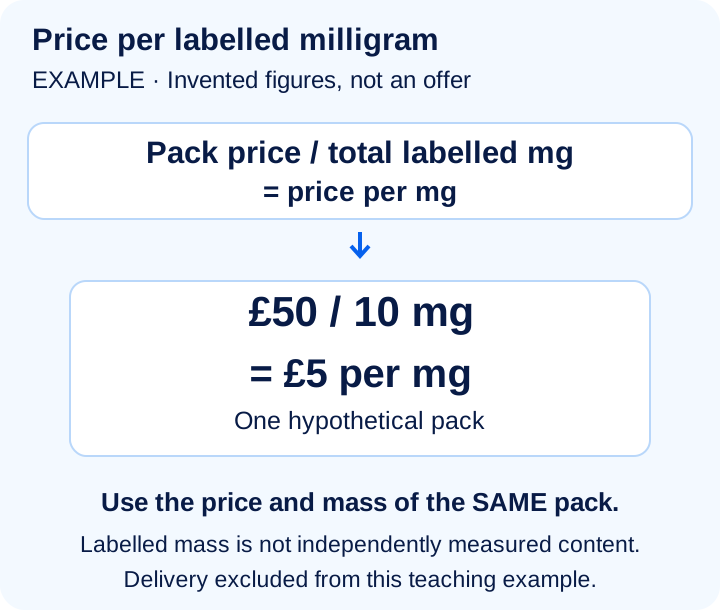
Peptide price per mg is the price of a selected pack divided by its total labelled peptide mass in milligrams. It lets you compare different quantities on a common basis, but does not establish identity, purity or independently measured content.
This guide explains the calculation, including packs, blends and delivery charges. All worked figures are explicitly hypothetical; current supplier prices appear only in the live comparison cards and category pages.
Want to compare current unit prices?
Open BPC-157 listings sorted by price per labelled milligram, then inspect the evidence alongside the figures.
We may earn a commission if you buy through our links. How we stay independent. For laboratory research use only.
What does peptide price per mg mean?
Price per mg is a unit price: the cost assigned to one milligram of the labelled material in a selected pack. Calculate it using matching price and quantity information. It describes a commercial comparison based on a label, unless a separate calculation explicitly uses a verified measured quantity.
The Competition and Markets Authority explains unit pricing as a way to compare quantities fairly in grocery shopping. We apply that arithmetic principle here; its consumer example is not a statement about peptide regulation or a guarantee that two listings are equivalent.
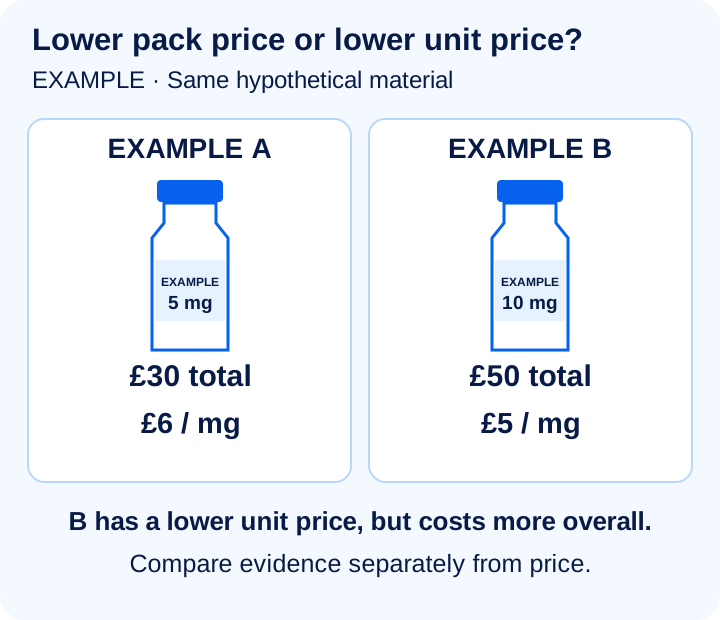
A lower vial price can therefore coexist with a higher price per mg. Conversely, a larger pack may have a lower unit price but still require a higher total payment. Keep both figures visible rather than treating either as the whole comparison.
How do you calculate peptide price per mg?
Choose the exact listing variant
Match the displayed price with the selected material, quantity and pack. A starting price for another variant is not the price of the option being compared.
Find the total labelled mass
For identical vials, multiply the mass per vial by the number in the pack. Do not multiply again if the listing already gives the pack's total mass.
Use consistent units
Convert mass units before dividing. NIST's SI prefixes establish that a milligram is one thousandth of a gram, so 1 g equals 1,000 mg. Container capacity is a different measurement.
Divide price by total milligrams
Use the price for that same pack. State whether delivery or other charges are included. Keep sufficient precision while calculating, then round the displayed unit price consistently.
Is a bigger vial always better value?
No. The calculation depends on price as well as quantity. In the hypothetical comparison below, the larger example has a lower unit price but a higher total price. Different figures could reverse that outcome. Size alone does not establish value.
| Hypothetical example | Pack price | Labelled mass | Price per mg |
|---|---|---|---|
| Example A: one vial | £30 | 5 mg | £6 |
| Example B: one vial | £50 | 10 mg | £5 |
| Example C: two identical vials | £60 | 10 mg total | £6 |
These are fictional teaching figures, not current listings. Example C contains the same total labelled mass as Example B, but its pack price makes its unit price higher. Count the contents rather than assuming a multi-pack is a discount.
Use the full compound identity when deciding what belongs in the same comparison. A similar abbreviation, different variant or different blend may describe a different material. Matching milligrams alone does not establish a like-for-like match.
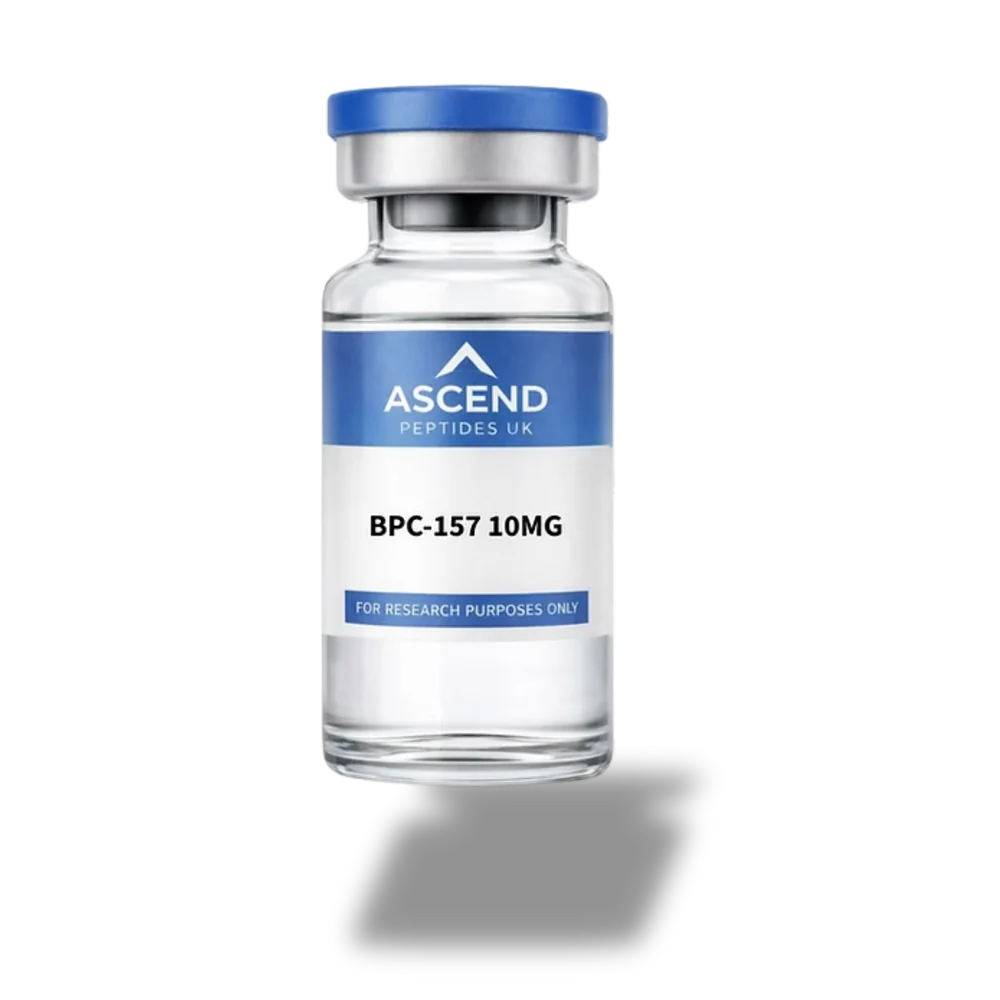
See current BPC-157 unit prices
These live listings are ordered by recorded price per mg. Open the analysis to examine testing evidence and quantity information before interpreting the price.
Inspect BPC-157 prices and evidence
We may earn a commission if you buy through our links. How we stay independent. For laboratory research use only.
How do blends change the price calculation?
A blend's combined mass is not the amount of every component. A unit price calculated from that combined mass describes the mixture. It cannot be compared directly with the price per mg of a single component without explaining the difference.
Check whether the listing discloses individual component quantities. If it gives only a combined amount, leave the split unknown. Do not divide equally or infer proportions from the order of names. Even where the split is stated, different blend ratios should remain visible in the comparison.
Our introduction to research peptide listings explains why precise identity matters. A useful comparison starts with the same question about the same material, not simply the lowest number produced by a division.
Does price per mg include delivery and discounts?
Only if the calculation explicitly includes them. A product-only unit price and a delivered unit price are different measures. For your own comparison, record the total payable for the specific order and explain which charges have been included.
CMA price-transparency guidance addresses clear presentation of total prices and mandatory charges. For a practical listing check, inspect delivery conditions, taxes where relevant and any minimum-spend requirement before treating an advertised figure as the final cost.
Conditional offers
Keep subscription, membership and voucher prices separate from an unconditional purchase price. Record the conditions rather than silently applying them.
Mixed baskets
If delivery covers several items, explain how you allocate it. There is no single obvious product-level delivery figure without that assumption.
Price date
Check the current selected variant before relying on an earlier comparison. A historic price and today's checkout are different observations.
What does a cheaper price tell you about testing?
By itself, nothing about the testing outcome. A price difference might reflect pack structure or commercial conditions, but you cannot identify its cause from the price alone. Do not label a cheaper listing inferior, or an expensive one independently verified, without evidence.
Read our guide to reading a peptide COA to separate purity from content. A label-based unit price is not transformed into a measured-content comparison merely because the listing displays a purity badge.
The BPC-157 comparison shows price per vial, price per mg and testing together. Our scoring methodology explains the wider assessment. Use price sorting to organise the listings, not as a substitute for examining them.
A reproducible price comparison
- Match the exact material and selected variant.
- Use the total labelled milligrams for the same priced pack.
- Distinguish a blend total from its individual components.
- State whether delivery and conditional offers are included.
- Keep testing evidence and measured content separate from label arithmetic.
- Check the price date and current availability.
Frequently asked questions
How do I work out price per mg?
Divide the price for the selected pack by its total labelled mass in milligrams. For identical vials, calculate the pack mass from the number of vials and the stated mass in each. State whether delivery is included and keep the same basis for every listing you compare.
Is a bigger vial always better value?
No. A larger labelled quantity only lowers the unit price if the price increase is proportionately smaller. Compare the actual arithmetic as well as the total payment. Also check that the material identity and evidence are comparable; a larger amount does not resolve missing product information.
Why are some peptides so much cheaper?
Price alone cannot establish the reason. Pack sizes, selected variants and conditional offers can make headline figures misleading, while supplier pricing decisions may not be explained. Check those details first, then assess the testing record independently. Do not assume a cheap price proves poor analytical quality or that a high price proves verification.
Does price per mg include shipping?
Not necessarily. It depends on the stated calculation. Distinguish the product-only unit price from a delivered-order calculation, and check any minimum spend or destination condition. If you allocate one delivery charge across several items, make that assumption explicit so another reader can reproduce your comparison.
How do blends affect price per mg?
A price divided by combined blend mass gives a price per milligram of the mixture, not each component. Compare the component identities and ratios as well. If individual quantities are missing, the split is unknown; the total price and total mass cannot reveal it on their own.
Put comparable prices beside the evidence
Sort the current listings by unit price, then open the product details to check what each figure represents.
We may earn a commission if you buy through our links. How we stay independent. For laboratory research use only.