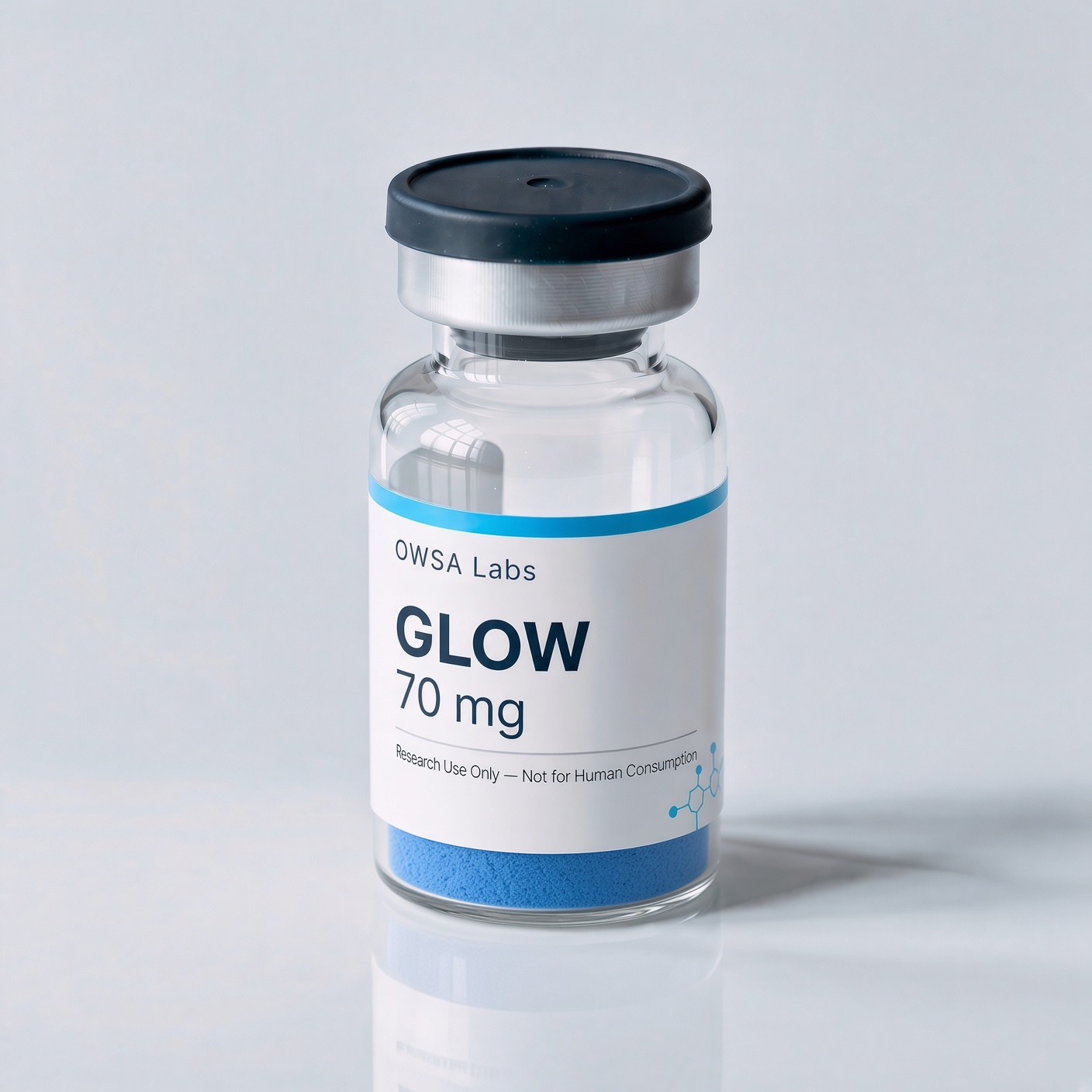
Best Overall
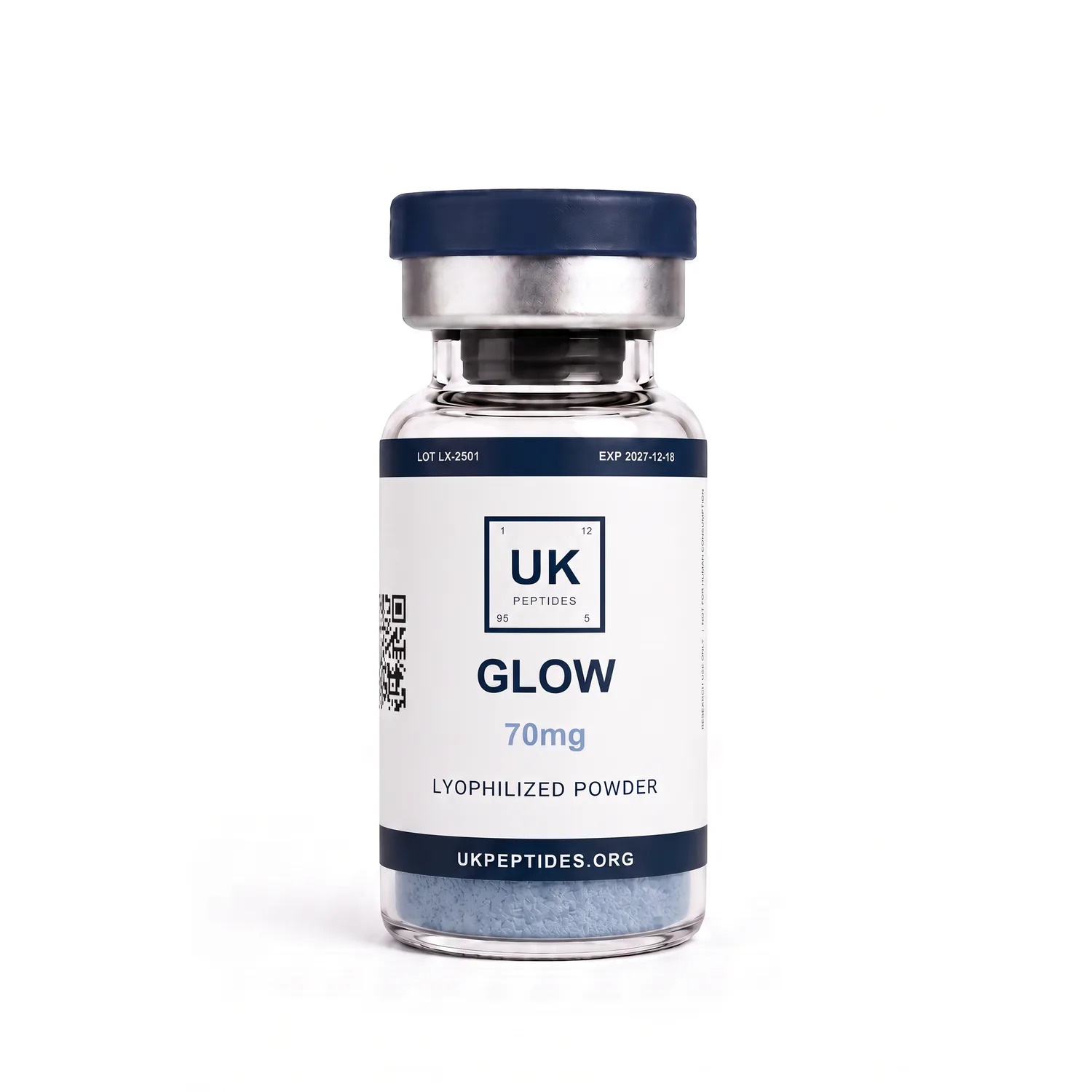
GLOW 70mgUK Peptides (ukpeptides.org)
Why this score?
- Testing & analytical evidence
- 36/45
- Value
- 16/25
- Product identity
- 12/15
- Supplier transparency
- 10/10
- Label & listing transparency
- 5/5
- Quantity
- 70 mg / vial
Testing evidence
- Evidence status
- Verified independent evidence
- Manufacturer statement
- Independently tested · Accredited External Lab; Each component ≥98% HPLC, verified separately on batch CoA; Independently verified by an accredited independent laboratory via HPLC-UV; batch-matched COA on every order; third-party HPLC-UV testing; lot-matched COA
- Laboratory
- MZ Biolabs
- Certification body
- Not recorded
- Batch
- 2026-07-15
- Batch-specific report
- Recorded
- Report date
- 2026-07-31
- Evidence checked
- 2026-09-22
£0.86per mg
£59.99per pack
Product & testing details
- Supplier
- UK Peptides (ukpeptides.org)
- Vials per pack
- 1
- Price per vial
- £59.99
- Listing last checked
- 2026-09-22 11:25:55
- Evidence status
- Verified independent evidence
- Manufacturer statement
- Independently tested · Accredited External Lab; Each component ≥98% HPLC, verified separately on batch CoA; Independently verified by an accredited independent laboratory via HPLC-UV; batch-matched COA on every order; third-party HPLC-UV testing; lot-matched COA
- Laboratory
- MZ Biolabs
- Certification body
- Not recorded
- Batch
- 2026-07-15
- Batch-specific report
- Recorded
- Report date
- 2026-07-31
- Evidence checked
- 2026-09-22
GLOW 70mg
UK Peptides (ukpeptides.org)Why this score?
- Testing & analytical evidence
- 36/45
- Value
- 16/25
- Product identity
- 12/15
- Supplier transparency
- 10/10
- Label & listing transparency
- 5/5
Testing evidence
- Evidence status
- Verified independent evidence
- Manufacturer statement
- Independently tested · Accredited External Lab; Each component ≥98% HPLC, verified separately on batch CoA; Independently verified by an accredited independent laboratory via HPLC-UV; batch-matched COA on every order; third-party HPLC-UV testing; lot-matched COA
- Laboratory
- MZ Biolabs
- Certification body
- Not recorded
- Batch
- 2026-07-15
- Batch-specific report
- Recorded
- Report date
- 2026-07-31
- Evidence checked
- 2026-09-22
£0.86per mg
£59.99per pack