The US version of The Supplement Compare is currently being prepared and will be available soon.
Stronger today. Brighter tomorrow.Evidence. Options. A healthier you.
Vitamin C Supplements
Compare vitamin C by actual daily amount, disclosed form, delivery format and price. Explore standard, buffered, liposomal and time-release products, with UK nutrition guidance and clear high-dose context.
We may earn a commission from qualifying purchases at no extra cost to you. Affiliate relationships never determine our scores or rankings.
Displayed points and weights are rounded; the total uses unrounded weights. Pending dimensions are excluded. Provisional scores may change after review.
Testing evidence
Evidence status
Verified independent evidence
Manufacturer statement
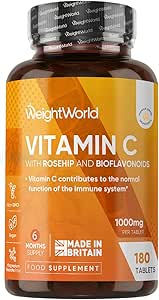
Attached to test report no. 26C22342 ... TESTING COMPLIANCE CERTIFICATE ... Sample description: WEIGHTWORLD VITAMIN C WITH ROSEHIP AND BIOFLAVONOIDS 1000 mg 180 TABLETS - BATCH CODE: 429140 ... The test report no. 26C22342 has been issued in compliance with the requirements of ISO/IEC 17025 ... Neotron Spa
Displayed points and weights are rounded; the total uses unrounded weights. Pending dimensions are excluded. Provisional scores may change after review.
Testing evidence
Evidence status
Recognised certification
Manufacturer statement
Amazon listing image shows an NSF Certified Gluten-Free seal for this exact product, and NSF's own listings site has a matching product listing page (share-link?seq=MTQyNDE2) for Solgar Ester-C Plus 500 mg / 100 Vegetable Capsules.
Displayed points and weights are rounded; the total uses unrounded weights. Pending dimensions are excluded. Provisional scores may change after review.
Testing evidence
Evidence status
Testing claimed
Manufacturer statement
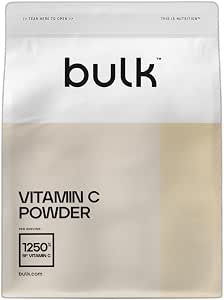
Bulk’s Food Safety page says: “Our commitment to rigorous testing… All relevant batches of our products are independently tested for pesticides, heavy metals, microbial activity, and other contaminants.” It also says all third-party laboratories used are UKAS or ISO certified, but Bulk’s COA help page says they do not issue Certificates of Analysis to consumers.
Compare actual vitamin C, not the weight of an acerola extract or liposomal blend. Dose and daily price use the same label serving. Dose colours describe an editorial adult nutritional context, not a universal studied range: read the dose guide below. Read the dose guide ↓
Attached to test report no. 26C22342 ... TESTING COMPLIANCE CERTIFICATE ... Sample description: WEIGHTWORLD VITAMIN C WITH ROSEHIP AND BIOFLAVONOIDS 1000 mg 180 TABLETS - BATCH CODE: 429140 ... The test report no. 26C22342 has been issued in compliance with the requirements of ISO/IEC 17025 ... Neotron Spa
Displayed points and weights are rounded; the total uses unrounded weights. Pending dimensions are excluded. Provisional scores may change after review.
Amazon listing image shows an NSF Certified Gluten-Free seal for this exact product, and NSF's own listings site has a matching product listing page (share-link?seq=MTQyNDE2) for Solgar Ester-C Plus 500 mg / 100 Vegetable Capsules.
Displayed points and weights are rounded; the total uses unrounded weights. Pending dimensions are excluded. Provisional scores may change after review.
Displayed points and weights are rounded; the total uses unrounded weights. Pending dimensions are excluded. Provisional scores may change after review.
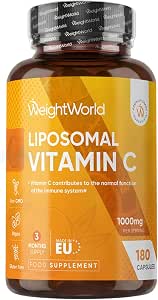
WeightWorld product page states “Third-party lab tested — View Certificate,” and the linked certificate reads: “Attached to test report no. 26C22323 … TESTING COMPLIANCE CERTIFICATE … Sample description: WEIGHTWORLD LIPOSOMAL VITAMIN C 1000 mg 180 CAPSULES - BATCH CODE: BP-CC-LVC-016 … The test report no. 26C22323 has been issued in compliance with the requirements of ISO/IEC 17025 … Neotron Spa.”
Displayed points and weights are rounded; the total uses unrounded weights. Pending dimensions are excluded. Provisional scores may change after review.
Peak Supps’ own Production and Quality page says its records and quality management system are audited annually by third-party certification organisations, and the SALSA registry independently confirms “Peak Supps Ltd has been approved by SALSA” with expiry date 7 January 2027.
Displayed points and weights are rounded; the total uses unrounded weights. Pending dimensions are excluded. Provisional scores may change after review.
Manufacturer page says: “All products are subjected to a strict quality assurance system put in place by our on-site laboratory, to test each product at every stage: from raw material to finished product.”
Displayed points and weights are rounded; the total uses unrounded weights. Pending dimensions are excluded. Provisional scores may change after review.
ConsumerLab’s Solgar brand page says: “Solgar Testing Report Card… 15 products from Solgar were tested and reviewed by ConsumerLab, with XX products Approved for quality…” This is a real testing claim about the brand, but I did not find an independently accessible ConsumerLab result or registry page confirming this specific product, Solgar Vitamin C 500 mg Vegetable Capsules.
Displayed points and weights are rounded; the total uses unrounded weights. Pending dimensions are excluded. Provisional scores may change after review.
Nutravita’s Ingredients page says: “any ingredient selected goes through strict testing to make sure it complies with EU standards” and “The testing is done in-house at the manufacturing site…”; the product page also says the product is “Manufactured in the UK under strict quality and safety regulations.”
Displayed points and weights are rounded; the total uses unrounded weights. Pending dimensions are excluded. Provisional scores may change after review.
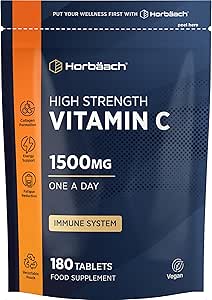
Horbaach’s own site says: “Laboratory Tested” and “We constantly source the best ingredients worldwide, test each individual product to ensure it meets our strict Quality Assurance Standards.”
Displayed points and weights are rounded; the total uses unrounded weights. Pending dimensions are excluded. Provisional scores may change after review.
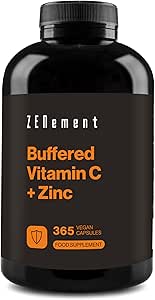
Zenement’s blog states: “At Zenement, third-party testing is an essential part of our process. Products undergo continuous audits throughout the year.” The product page itself also says the formula is “tested by external laboratories” in a marketing image, but I did not find an independently verifiable lab report or registry entry for this specific product.
Displayed points and weights are rounded; the total uses unrounded weights. Pending dimensions are excluded. Provisional scores may change after review.
Displayed points and weights are rounded; the total uses unrounded weights. Pending dimensions are excluded. Provisional scores may change after review.
Displayed points and weights are rounded; the total uses unrounded weights. Pending dimensions are excluded. Provisional scores may change after review.
Alpha01 product page for the gummies says: "Alpha01 is a UK brand and every batch is rigorously tested and EU-made" and the product page also has a "CERTIFICATIONS & LAB TESTS" section listing Heavy Metals Testing and Microbial Contaminants Testing for batch LC249974.
Displayed points and weights are rounded; the total uses unrounded weights. Pending dimensions are excluded. Provisional scores may change after review.
Displayed points and weights are rounded; the total uses unrounded weights. Pending dimensions are excluded. Provisional scores may change after review.
Bulk’s Food Safety page says: “Our commitment to rigorous testing… All relevant batches of our products are independently tested for pesticides, heavy metals, microbial activity, and other contaminants.” It also says all third-party laboratories used are UKAS or ISO certified, but Bulk’s COA help page says they do not issue Certificates of Analysis to consumers.
Displayed points and weights are rounded; the total uses unrounded weights. Pending dimensions are excluded. Provisional scores may change after review.
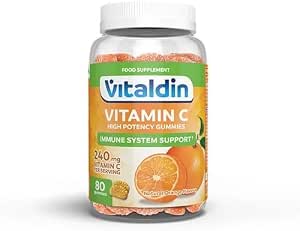
Vitaldin’s own site says it “possess[es] all the certifications and undergo rigorous quality controls required by regulations,” but I did not find any independently verifiable third-party test report or certification for this specific Vitamin C Gummies product.
Displayed points and weights are rounded; the total uses unrounded weights. Pending dimensions are excluded. Provisional scores may change after review.
Displayed points and weights are rounded; the total uses unrounded weights. Pending dimensions are excluded. Provisional scores may change after review.
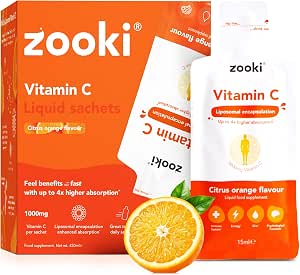
Zooki’s own site says: “To see how much better nutrients are absorbed when wrapped in a Liposome, we worked with academics on clinical trials that tested the absorption of our Liposomal Vitamin C…” and “To demonstrate the liposomal characteristics and stability of Zooki liposomes, our lipid delivery systems are independently tested using a wide range of methods…”
Displayed points and weights are rounded; the total uses unrounded weights. Pending dimensions are excluded. Provisional scores may change after review.
Manufacturer quality page says: "We submit our omega-3 fish oil products to independent labs for testing." The product page also says: "we use hypoallergenic and lab-verified ingredients" and the Amazon listing says "lab-verified ingredients" / "GMP manufactured" but I did not find independent verification for this specific Liposomal Vitamin C + Zinc product.
Displayed points and weights are rounded; the total uses unrounded weights. Pending dimensions are excluded. Provisional scores may change after review.
Nutroliq FAQ includes the question “Are Nutroliq supplements tested for quality?” and the product page says “Quality Manufacturing — Produced in facilities following GMP (Good Manufacturing Practice) and FDA standards, ensuring pharmaceutical-grade quality in every bottle.”
Displayed points and weights are rounded; the total uses unrounded weights. Pending dimensions are excluded. Provisional scores may change after review.
Displayed points and weights are rounded; the total uses unrounded weights. Pending dimensions are excluded. Provisional scores may change after review.
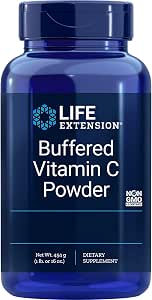
Amazon listing says: "HIGH QUALITY: Life Extension's vitamin C powder is tested for quality and purity in independent laboratories." Life Extension's own FAQ says its ingredients and final products are "verified using advanced analytical methods like high performance liquid chromatography and mass spectrometry" and that the company is "GMP registered with NSF International." I did not find an independently verifiable product-specific COA, lab report, or registry entry for this exact Buffered Vitamin C Powder.
Displayed points and weights are rounded; the total uses unrounded weights. Pending dimensions are excluded. Provisional scores may change after review.
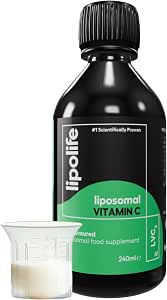
Manufacturer site states: "lipolife® Liposomes are Third-Party Tested" and "Every lipolife® batch undergoes advanced quality testing, including randomised independent Transmission Electron Microscopy (TEM)." The product page also says the flagship liposomal vitamin C has "clinical and scientific evidence of efficacy and authenticity."
Displayed points and weights are rounded; the total uses unrounded weights. Pending dimensions are excluded. Provisional scores may change after review.
Displayed points and weights are rounded; the total uses unrounded weights. Pending dimensions are excluded. Provisional scores may change after review.
Displayed points and weights are rounded; the total uses unrounded weights. Pending dimensions are excluded. Provisional scores may change after review.
Attached to test report no. 26C22342 ... TESTING COMPLIANCE CERTIFICATE ... Sample description: WEIGHTWORLD VITAMIN C WITH ROSEHIP AND BIOFLAVONOIDS 1000 mg 180 TABLETS - BATCH CODE: 429140 ... The test report no. 26C22342 has been issued in compliance with the requirements of ISO/IEC 17025 ... Neotron Spa
Displayed points and weights are rounded; the total uses unrounded weights. Pending dimensions are excluded. Provisional scores may change after review.
Amazon listing image shows an NSF Certified Gluten-Free seal for this exact product, and NSF's own listings site has a matching product listing page (share-link?seq=MTQyNDE2) for Solgar Ester-C Plus 500 mg / 100 Vegetable Capsules.
Displayed points and weights are rounded; the total uses unrounded weights. Pending dimensions are excluded. Provisional scores may change after review.
Displayed points and weights are rounded; the total uses unrounded weights. Pending dimensions are excluded. Provisional scores may change after review.
WeightWorld product page states “Third-party lab tested — View Certificate,” and the linked certificate reads: “Attached to test report no. 26C22323 … TESTING COMPLIANCE CERTIFICATE … Sample description: WEIGHTWORLD LIPOSOMAL VITAMIN C 1000 mg 180 CAPSULES - BATCH CODE: BP-CC-LVC-016 … The test report no. 26C22323 has been issued in compliance with the requirements of ISO/IEC 17025 … Neotron Spa.”
Displayed points and weights are rounded; the total uses unrounded weights. Pending dimensions are excluded. Provisional scores may change after review.
Peak Supps’ own Production and Quality page says its records and quality management system are audited annually by third-party certification organisations, and the SALSA registry independently confirms “Peak Supps Ltd has been approved by SALSA” with expiry date 7 January 2027.
Displayed points and weights are rounded; the total uses unrounded weights. Pending dimensions are excluded. Provisional scores may change after review.
Manufacturer page says: “All products are subjected to a strict quality assurance system put in place by our on-site laboratory, to test each product at every stage: from raw material to finished product.”
Displayed points and weights are rounded; the total uses unrounded weights. Pending dimensions are excluded. Provisional scores may change after review.
ConsumerLab’s Solgar brand page says: “Solgar Testing Report Card… 15 products from Solgar were tested and reviewed by ConsumerLab, with XX products Approved for quality…” This is a real testing claim about the brand, but I did not find an independently accessible ConsumerLab result or registry page confirming this specific product, Solgar Vitamin C 500 mg Vegetable Capsules.
Displayed points and weights are rounded; the total uses unrounded weights. Pending dimensions are excluded. Provisional scores may change after review.
Nutravita’s Ingredients page says: “any ingredient selected goes through strict testing to make sure it complies with EU standards” and “The testing is done in-house at the manufacturing site…”; the product page also says the product is “Manufactured in the UK under strict quality and safety regulations.”
Displayed points and weights are rounded; the total uses unrounded weights. Pending dimensions are excluded. Provisional scores may change after review.
Horbaach’s own site says: “Laboratory Tested” and “We constantly source the best ingredients worldwide, test each individual product to ensure it meets our strict Quality Assurance Standards.”
Displayed points and weights are rounded; the total uses unrounded weights. Pending dimensions are excluded. Provisional scores may change after review.
Zenement’s blog states: “At Zenement, third-party testing is an essential part of our process. Products undergo continuous audits throughout the year.” The product page itself also says the formula is “tested by external laboratories” in a marketing image, but I did not find an independently verifiable lab report or registry entry for this specific product.
Displayed points and weights are rounded; the total uses unrounded weights. Pending dimensions are excluded. Provisional scores may change after review.
Displayed points and weights are rounded; the total uses unrounded weights. Pending dimensions are excluded. Provisional scores may change after review.
Displayed points and weights are rounded; the total uses unrounded weights. Pending dimensions are excluded. Provisional scores may change after review.
Alpha01 product page for the gummies says: "Alpha01 is a UK brand and every batch is rigorously tested and EU-made" and the product page also has a "CERTIFICATIONS & LAB TESTS" section listing Heavy Metals Testing and Microbial Contaminants Testing for batch LC249974.
Displayed points and weights are rounded; the total uses unrounded weights. Pending dimensions are excluded. Provisional scores may change after review.
Displayed points and weights are rounded; the total uses unrounded weights. Pending dimensions are excluded. Provisional scores may change after review.
Bulk’s Food Safety page says: “Our commitment to rigorous testing… All relevant batches of our products are independently tested for pesticides, heavy metals, microbial activity, and other contaminants.” It also says all third-party laboratories used are UKAS or ISO certified, but Bulk’s COA help page says they do not issue Certificates of Analysis to consumers.
Displayed points and weights are rounded; the total uses unrounded weights. Pending dimensions are excluded. Provisional scores may change after review.
Vitaldin’s own site says it “possess[es] all the certifications and undergo rigorous quality controls required by regulations,” but I did not find any independently verifiable third-party test report or certification for this specific Vitamin C Gummies product.
Displayed points and weights are rounded; the total uses unrounded weights. Pending dimensions are excluded. Provisional scores may change after review.
Displayed points and weights are rounded; the total uses unrounded weights. Pending dimensions are excluded. Provisional scores may change after review.
Zooki’s own site says: “To see how much better nutrients are absorbed when wrapped in a Liposome, we worked with academics on clinical trials that tested the absorption of our Liposomal Vitamin C…” and “To demonstrate the liposomal characteristics and stability of Zooki liposomes, our lipid delivery systems are independently tested using a wide range of methods…”
Displayed points and weights are rounded; the total uses unrounded weights. Pending dimensions are excluded. Provisional scores may change after review.
Manufacturer quality page says: "We submit our omega-3 fish oil products to independent labs for testing." The product page also says: "we use hypoallergenic and lab-verified ingredients" and the Amazon listing says "lab-verified ingredients" / "GMP manufactured" but I did not find independent verification for this specific Liposomal Vitamin C + Zinc product.
Displayed points and weights are rounded; the total uses unrounded weights. Pending dimensions are excluded. Provisional scores may change after review.
Nutroliq FAQ includes the question “Are Nutroliq supplements tested for quality?” and the product page says “Quality Manufacturing — Produced in facilities following GMP (Good Manufacturing Practice) and FDA standards, ensuring pharmaceutical-grade quality in every bottle.”
Displayed points and weights are rounded; the total uses unrounded weights. Pending dimensions are excluded. Provisional scores may change after review.
Displayed points and weights are rounded; the total uses unrounded weights. Pending dimensions are excluded. Provisional scores may change after review.
Amazon listing says: "HIGH QUALITY: Life Extension's vitamin C powder is tested for quality and purity in independent laboratories." Life Extension's own FAQ says its ingredients and final products are "verified using advanced analytical methods like high performance liquid chromatography and mass spectrometry" and that the company is "GMP registered with NSF International." I did not find an independently verifiable product-specific COA, lab report, or registry entry for this exact Buffered Vitamin C Powder.
Displayed points and weights are rounded; the total uses unrounded weights. Pending dimensions are excluded. Provisional scores may change after review.
Manufacturer site states: "lipolife® Liposomes are Third-Party Tested" and "Every lipolife® batch undergoes advanced quality testing, including randomised independent Transmission Electron Microscopy (TEM)." The product page also says the flagship liposomal vitamin C has "clinical and scientific evidence of efficacy and authenticity."
Displayed points and weights are rounded; the total uses unrounded weights. Pending dimensions are excluded. Provisional scores may change after review.
One-time purchase prices; delivery and conditional discounts excluded. Daily cost uses the recorded label serving. Comparison amounts are not personal dose recommendations. Unknown Prime eligibility is not treated as confirmed.
Vitamin C forms & claims explained
Chemical form and delivery technology are different fields. A liposomal product may contain ascorbic acid or sodium ascorbate. The comparison names the underlying ingredient where disclosed and marks delivery claims separately.
Ascorbic acid
The standard vitamin C ingredient
On labels
Often written L-ascorbic acid
Comparison rule
A valid reference form; no premium needed by default
Undisclosed chemistry is shown as Not disclosed. We do not infer a form from a product name or assume that natural-source marketing proves better results.
Buffered vitamin C
Vitamin C associated with minerals
Examples
Calcium, sodium and magnesium ascorbates
Read the amount
Vitamin C content differs from compound weight
These ingredients are less acidic than ascorbic acid. Some people prefer them, but a buffered label does not establish better clinical results or remove high-dose tolerance concerns. Added sodium or other minerals may matter to individual restrictions.
Liposomal vitamin C
A formulation claim
Meaning
Vitamin C delivered with lipid vesicles
Evidence distinction
Higher measured uptake is not proof of better health outcomes
A small 2024 crossover trial tested one specific 500 mg formulation and found higher blood and white-cell concentrations. This does not validate every retail liposomal product, prove fewer infections or justify a universal score bonus.
Time-release vitamin C
Also called sustained or slow release
Meaning
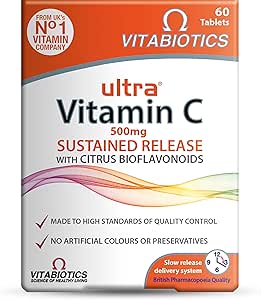
A formulation intended to release vitamin C gradually
Use
Follow the product instructions; some tablets must be swallowed whole
A time-release claim alone does not demonstrate a clinical advantage for the product. We record it as a feature and do not award an automatic absorption bonus.
Bioflavonoids, rose hips and acerola
Supporting ingredients and food sources
Read the label
Actual vitamin C and separately declared additions
Comparison rule
Do not count an extract as an equal mass of vitamin C
Acerola can be a source of vitamin C; rose hips and citrus bioflavonoids also appear as additions. Ingredient names alone do not establish a useful extra dose or superior results. Unknown amounts stay undisclosed.
Vitamin C dosage: UK references and our dose bands
Dietary guidance is different from supplement labelling
Context
What it means
UK adult dietary reference
The NHS gives 40 mg/day for adults aged 19–64, usually obtainable from a varied diet. It is total dietary need, not an instruction to add a 40 mg supplement. NHS guidance.
Label NRV: 80 mg
The nutrition-labelling reference is 80 mg: 500 mg is 625% NRV. A percentage is neither an absorption rate nor a personal prescription. UK labelling reference table.
Research doses
Trials investigate different outcomes. A dose used in a cold study is not a universal target for daily nutrition. Cochrane review.
Tolerance context
The NHS notes stomach pain, diarrhoea and wind with large amounts above 1,000 mg/day. That boundary is not presented here as a formal UK upper limit. NHS safety context.
How our adult nutritional comparison affects the dose score
Context
What it means
Below 40 mg
Amber: Below adult dietary reference. Subtract 35 points from the shared dose component. This means the product alone supplies less than the adult reference; it does not diagnose dietary deficiency.
40–200 mg
Green: Nutritional dose. No dose-context deduction. This is an editorial nutritional band, not an officially recommended supplement range.
Above 200–1,000 mg
Blue: Higher supplemental dose. Subtract 15 dose-component points; more vitamin C does not imply proportionately more benefit.
Above 1,000 mg
Amber: High dose · GI context. Subtract 35 dose-component points because of the general-nutrition and tolerance context.
Unknown daily dose
Not confirmed. No range verdict is invented. Unclear dose/serving information reduces transparency and blocks publication until resolved.
The 200 mg boundary is an editorial interpretation of dose-response research: a small depletion/repletion study in seven volunteers found 200 mg was the first tested dose beyond the steep part of the plasma-response curve. It does not prove an optimum for every person or outcome. Levine et al., 1996.
How dose changes the provisional score
The shared dose component starts at 95/100 for clear information, then applies the deductions above. More than two solid units daily deducts another 5 points; more than four deducts 10. Liquid millilitres and powder grams are not counted as pills. A clear one-unit 500 mg product scores 80 for dose; a comparable 2,000 mg product scores 60. The original dose weight is 15%; testing exclusion changes its effective weight through the existing shared scoring system. Formulation and value remain separate. These are editorial comparison choices for general adult nutrition, not treatment advice.
Vitamin C benefits: what the evidence supports
An essential nutrient
Vitamin C supports collagen formation, normal immune function and antioxidant processes. Meeting a physiological need does not establish that a high-dose supplement adds benefit when intake is already adequate. NIH consumer overview.
Colds: modest duration effect
A Cochrane review found regular supplementation did not prevent colds in the general population, but modestly shortened their duration. Starting supplements after symptoms began gave inconsistent results. Read the review.
Skin claims need context
An established role in collagen formation is different from evidence that these oral products improve wrinkles or replace a skin treatment. Searches about vitamin C serum concern topical products and cannot validate oral supplement claims. Vitamin C functions.
Liposomal evidence is product-specific
A 27-person trial compared a single 500 mg liposomal dose with standard vitamin C and placebo. Increased plasma and white-cell concentrations were measured; infections and skin outcomes were not the clinical endpoints. 2024 crossover trial.
Evidence by use
Evidence by goal
Goal
Evidence strength
What was assessed
Typical study context
Main limitation
Nutrient adequacy
Established nutrient role
Vitamin C intake
Diet and deficiency context
A retail high dose is not automatically needed
Immune function
Established role
Adequate vitamin C
Normal physiology
Does not establish infection prevention
Cold duration
Modest benefit with regular use
Oral vitamin C
Trials in the Cochrane review used at least 200 mg/day
No consistent benefit when begun after symptoms
Collagen and skin
Established role; product claims uncertain
Collagen formation
Adequate nutrient status
Does not validate oral anti-ageing claims
Iron absorption
Established food interaction; treatment nuance
Non-haem iron
Meal absorption and separate iron-treatment trials
Extra vitamin C was not necessary in one 440-person iron trial
Liposomal uptake
Limited formulation-specific evidence
Plasma and white-cell concentrations
Small single-dose crossover trial
Biomarker changes are not clinical outcome proof
Read the full evidence-by-goal detail
Evidence for a nutrient is separate from evidence for the contents or effectiveness of a particular product. The form explainer cards above and linked sources below provide the context.
When to take vitamin C and how to measure it
Follow the measured serving
Use the recorded label instructions. A powder scoop is not a universal gram measure, and droppers differ. Price/day uses the same serving as the dose; a stated range is compared at its clearly identified lower daily serving.
With food?
Follow the product label, including any meal instruction. A meal can be a convenient reminder; the comparison does not award morning or evening timing an efficacy bonus. If a product causes stomach symptoms, review the dose and discuss persistent symptoms with a pharmacist.
Gummies and effervescents
Check sugars, sweeteners and the complete ingredients. Sugar-free does not mean sweetener-free. Tablets intended for slow release should not be crushed or chewed unless the instructions allow it.
Vitamin C side effects and high-dose context
Who should be cautious?If any of the following apply to you, speak to a healthcare professional before taking Vitamin C - see the full detail below for why.
Kidney disease, hyperoxaluria or recurrent kidney stones
Haemochromatosis or another iron-overload condition
Cancer treatment or a medically supervised supplement plan
Pregnancy or breastfeeding: check product suitability
Dose and stomach tolerance
A larger label number can bring more gastrointestinal discomfort rather than more useful nutrition. Read the high-dose bands above and include vitamin C from overlapping supplements. NHS vitamin C guidance.
Kidneys and stone history
High intakes can increase urinary oxalate in some circumstances. Evidence about stone formation is mixed; kidney disease, hyperoxaluria or recurrent stones warrant individual advice before high-dose use. NIH safety review.
Iron overload
Vitamin C increases iron absorption. NHS haemochromatosis guidance advises avoiding vitamin C and iron supplements unless the treating team advises otherwise. Ordinary food choices need different context. NHS haemochromatosis guidance.
Pregnancy and medicines
A varied diet can provide vitamin C during pregnancy; do not assume a high-dose product is required. Check suitability with a midwife or pharmacist. During cancer treatment, discuss antioxidant supplements with the oncology team because treatment interactions remain uncertain. NHS pregnancy advice; NIH interactions.
Vitamin C with iron, zinc and other supplements
Vitamin C and iron
Vitamin C can improve absorption of non-haem iron from plant foods. That does not make a separate high-dose C supplement essential with every iron prescription. A 440-person trial found oral iron alone equivalent to iron plus C for haemoglobin recovery. Randomised trial.
Vitamin C and zinc
Both may appear in one product, but their amounts must be assessed separately. No score bonus is awarded merely for including zinc. Check total zinc across a multivitamin and other products. See the zinc category or use the Stack Builder to review combinations.
Vitamin C foods and deficiency
Food comes first
Peppers, citrus fruit, strawberries, blackcurrants, broccoli, Brussels sprouts and potatoes can contribute vitamin C. The NHS says most people can meet their needs through a varied diet. Food sources.
Restricted diets and deficiency
Severe deficiency, called scurvy, is uncommon. Risk is higher with prolonged lack of fruit and vegetables or very limited food intake; smoking and alcohol dependence can contribute. Persistent symptoms deserve assessment rather than a product-ranking diagnosis. NHS scurvy guidance.
Symptoms are not a self-test
Poor wound healing, easy bruising and bleeding gums can occur with deficiency but have other causes. Contact a GP when symptoms or a severely restricted diet raise concern; follow the NHS page for its urgency guidance. Symptoms and when to seek help.
Vegan and practical options
Check whole-product status, including capsule shells and gummy gelatine. A plant source does not establish superior effectiveness. Liquid, powder and gummy formats may suit preferences; compare their measured serving and ingredients.
What product testing should establish
New records show Testing review pending. Seller mentions of GMP, laboratory checks or liposomal technology remain claims until the supporting evidence is reviewed. Useful evidence identifies the exact product and batch, laboratory, date, vitamin C assay and relevant contaminant results. A manufacturing standard alone is not proof of the amount in this pack. Scores remain provisional while Testing is excluded.
Iron blood tests and unexplained tiredness
Unexplained tiredness is not enough to select vitamin C or iron treatment. A GP may investigate anaemia with a full blood count and additional tests according to the clinical picture. NHS iron-deficiency anaemia guidance.
this page does not offer a vitamin C diagnosis or an iron blood-test recommendation based on symptoms alone. Discuss results using the laboratory report and clinical advice.
Testing evidence in this comparison
A testing claim is not the same as a verified report. No public evidence located does not mean a product has not been tested.
Testing review pending0
Recognised certification1
Verified independent evidence3
Manufacturer COA0
Testing claimed14
No public evidence located6
What does vitamin c cost?
Current UK comparison set, based on the daily serving shown on each label.
£0.02Lowest daily cost
£0.15Median daily cost
£1.79Highest daily cost
Price insights
Shown only where the underlying product data is reliable.
The NHS adult dietary reference is 40 mg/day, usually obtainable from food. A supplement dose should reflect the reason for use. Our dose bands compare products for general adult nutrition; they are not personalised targets.
Is 1,000 mg better than 500 mg?
Not automatically. Both sit above our nutritional dose band. The score does not reward extra milligrams; cost, clear ingredients and the recorded serving are assessed separately.
Is liposomal vitamin C better?
Some small trials find higher measured uptake for particular formulations. That does not establish better health outcomes for every product. Liposomal remains a recorded claim without an automatic score advantage.
What does buffered vitamin C mean?
It commonly refers to mineral ascorbates such as calcium, sodium or magnesium ascorbate. Compare the declared vitamin C amount and any additional minerals, rather than the total compound weight.
Does vitamin C prevent a cold?
Regular supplements did not prevent colds in the general population in the Cochrane review. Average duration was modestly reduced; starting after symptoms gave inconsistent results.
Can you take too much vitamin C?
Yes. Large amounts can cause gastrointestinal symptoms. Kidney or iron-overload conditions require additional context; see the safety section. Water-soluble does not mean unlimited intake is useful.
Are vitamin C gummies sugar-free?
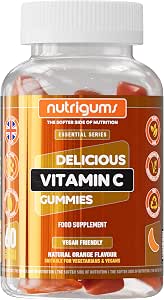
Some are; others list sugar or glucose syrup. Sugar-free examples can contain maltitol, isomalt or other sweeteners. Ingredients and the adult gummy count are recorded separately.
What is the difference between 40 mg and 80 mg?
40 mg is the NHS adult dietary reference used here. 80 mg is the nutrition-label reference used to calculate NRV percentages. Neither is an absorption percentage.
Should I take vitamin C with iron?
It can help non-haem iron absorption from meals, but a separate C supplement is not universally required with prescribed iron. Follow the treatment advice you were given and avoid self-treating suspected iron deficiency.
Why are the scores provisional?
A provisional score means that product’s testing evidence review is unfinished. Testing is excluded until reviewed; the other displayed weights use rounded increments. Check each product’s current status.